
Research Article - (2025) Volume 15, Issue 1
In the rapidly evolving landscape of technological innovation, integrating nanotechnology into New Product Development (NPD) processes is a key driver of transformative change. This paper delves into recent advances in NPD, specifically focusing on the intricacies of process support for the seamless integration of nanotechnology. Understanding these advancements is crucial for navigating the era of rapid technological progress, as they shape the trajectory of impactful innovation. The study conducts a comprehensive examination, shedding light on the pivotal role of process support mechanisms in leveraging the benefits of nano technological advancements within the NPD framework. It highlights critical stages influenced by nanotechnology, evaluates supporting tools and methodologies and analyzes collaborative frameworks fostering interdisciplinary cooperation. Drawing on case studies and recent developments, the examination provides practical insights into successful instances where NPD processes have effectively integrated nanotechnology. By offering actionable guidance for practitioners, researchers and decision-makers, the paper contributes to the theoretical understanding of this integration and enriches the discourse on NPD. The paper aims to present a detailed analysis of recent advances, with a specific focus on the strategies and mechanisms supporting the seamless integration of nanotechnology into the product development process. It seeks to enhance theoretical knowledge and practical implementation, driving innovation at the intersection of nanotechnology and NPD.
Nanotechnology (NT) • New Product Development (NPD) • Process support • Integration • Technological innovation
In the ever-evolving realm of technological innovation, the integration of nanotechnology into New Product Development (NPD) processes represents a significant frontier for transformative change. Nanotechnology, with its ability to manipulate matter at the nanoscale, offers unprecedented opportunities for enhancing product functionalities and addressing complex challenges across various industries. As such, understanding the recent advancements in NPD and the nuanced dynamics of process support for seamless integration with Nanotechnology (NT) is imperative for driving impactful innovation. The synergy comes from the innovation of new product development through completely mutual communication in all phases of product design, including between design and manufacturing (Figure 1) [1].
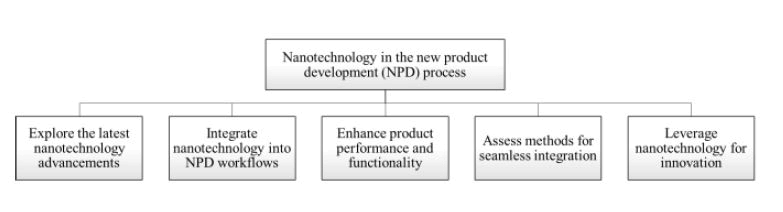
Figure 1. Nanotechnology in the NPD process.
Background and context
The term “nanotechnology” was coined in 1974 by Norio Taniguchi, a professor at Tokyo Science University and is defined as follows: “Nanotechnology (NT) mainly consists of the processing of separation, consolidation, and deformation of materials by one atom or one molecule.” In recent decades, nanotechnology has emerged as a revolutionary field with profound implications across various industries, including electronics, healthcare, materials science, and energy. The automotive industry is always improving its production. Nanotechnology is one such tool that could impart the automotive industry with a new approach to manufacturing [2]. At its core, nanotechnology involves the manipulation of matter at the nanoscale, typically ranging from 1 to 100 nanometers. This ability to engineer materials and structures at such small scales has unlocked many novel properties and functionalities previously unattainable.
Simultaneously, the landscape of New Product Development (NPD) has undergone significant transformations driven by globalization, changing consumer preferences, and advancements in digital technologies. NPD encompasses the process of bringing a new product from concept to market, involving stages such as ideation, design, prototyping, testing and commercialization. In today's fast-paced and competitive market environments, companies are under immense pressure to innovate rapidly and deliver products that meet evolving customer demands while maintaining cost-efficiency and sustainability.
Against this backdrop, the integration of nanotechnology into NPD processes represents a compelling opportunity to enhance product performance, functionality and competitiveness. By leveraging the unique properties of nanomaterials and nanoscale phenomena, companies can develop products with improved strength, durability, conductivity and other desirable attributes. Moreover, nanotechnology enables the creation of innovative solutions to complex challenges in areas such as healthcare (e.g. targeted drug delivery, diagnostic tools), electronics (e.g. miniaturized components, high-density memory storage) and energy (e.g. efficient solar cells, lightweight batteries).
However, despite the immense potential of nanotechnology, its integration into NPD poses several challenges, including technical complexities, scalability issues, regulatory hurdles, and ethical considerations regarding health and environmental impacts. Thus, understanding the opportunities and challenges associated with nanotechnology integration is crucial for companies seeking to harness its benefits effectively.
In this context, this paper aims to explore recent advancements in NPD, with a specific focus on the integration of nanotechnology and the mechanisms that support this integration. By examining the evolving landscape of NPD and nanotechnology, this research seeks to provide insights and practical guidance for companies, researchers and decision-makers navigating the intersection of these two transformative fields.
Importance of integrating nanotechnology into NPD
The integration of nanotechnology into New Product Development (NPD) processes holds significant importance for both companies and society at large. Several key reasons highlight the importance of this integration. Even if nanotechnology is a new technology worldwide, it is not guaranteed as an innovation. As a new technology, it requires new knowledge and research vocation to develop new products. NanoRS develops products based on customer orders [3]. Recent advances in New Product Development (NPD) have been greatly influenced by the integration of nanotechnology into the process. Nanotechnology, which deals with materials and structures on the nanometer scale, has brought about significant advancements across various industries, including electronics, healthcare, energy, and materials science (Figure 2).
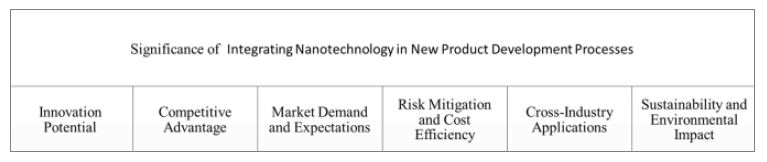
Figure 2. Significance of integrating NT in NPD.
Enhanced product performance: Nanotechnology offers unique capabilities to manipulate materials at the nanoscale, allowing for the creation of products with superior performance characteristics. By incorporating nanomaterials and nanoscale phenomena into product design and development, companies can achieve enhanced strength, durability, conductivity and other desirable properties. This enhancement in product performance can lead to competitive advantages in the marketplace, increased customer satisfaction and improved brand reputation.
Innovation and differentiation: Nanotechnology enables the development of innovative products and solutions that address previously unmet needs or challenges. By leveraging nanomaterials' unique properties, companies can differentiate their products from competitors and pioneer new market segments. This innovationdriven approach to NPD fosters business growth and contributes to technological advancements and societal progress.
Cost efficiency and sustainability: Integrating nanotechnology into NPD processes can result in cost-efficient and sustainable product development strategies. For example, nanomaterials often enable the reduction of material usage, energy consumption and waste generation in manufacturing processes. Additionally, nanotechnology facilitates the creation of eco-friendly and resource-efficient products with improved performance and longevity, thereby promoting sustainable consumption and production practices. Market expansion and diversification: Nanotechnology opens opportunities for companies to enter new markets and diversify their product portfolios. Products enhanced or enabled by nanotechnology can cater to a broader range of industries and applications, including healthcare, electronics, automotive, aerospace and environmental remediation. By tapping into these diverse market segments, companies can mitigate risks associated with market fluctuations and economic uncertainties, fostering long-term growth and resilience.
Addressing societal challenges: Nanotechnology has the potential to address pressing societal challenges, such as healthcare disparities, environmental pollution, and energy shortages. By developing nanotechnology-enabled products and solutions, companies can contribute to advancements in areas such as personalized medicine, clean energy technologies, and environmental remediation. This societal impact aligns with corporate social responsibility objectives and enhances companies' reputations as responsible and innovative leaders.
Integration into NPD process
Integrating nanotechnology into the NPD process involves leveraging nanoscale materials, structures, or phenomena to enhance or enable the development of new products. This integration can occur at various stages of the NPD process: Nanotechnology could assist in manufacturing methods with an impartment of extended life properties. Cars that have been manufactured with nanotechnology applications have shown lower failure rates and enhanced self-repairing properties. Although the initial investment in the nano-automated industry is high, the outcomes are enormous. The development of modern information technology allows for the implementation of computer-aided design, engineering and manufacturing in the new product development process. Computer support can be applied at every stage of a new product’s development (Figure 3) [4].

Figure 3. Deployment of electric buses in India.
Idea generation: Nanotechnology may inspire new product ideas or concepts based on the unique properties of nanomaterials. Innovators may explore how nanotechnology can address existing challenges or create innovative solutions.
Research and Development (R and D): During the R and D phase, scientists and engineers work on designing and prototyping products. Integration of nanotechnology may involve synthesizing or engineering nanomaterials tailored to specific product requirements. For example, nanoparticles might be incorporated into coatings to provide enhanced strength, conductivity or other desired properties.
Testing and validation: Nanotechnology-enabled products undergo rigorous testing to ensure they meet quality and performance standards. Testing methods may need to be adapted to account for the unique characteristics of nanomaterials, such as their size-dependent properties or potential environmental impacts.
Scale-up and manufacturing: Scaling up nanotechnology-based processes for mass production can present challenges related to consistency, yield and cost-effectiveness. Manufacturers may need to optimize production processes and address issues such as nanoparticle dispersion, contamination control and safety protocols.
Regulatory compliance: Regulatory agencies may require special considerations for nanotechnology-enabled products due to potential health, safety and environmental concerns. Companies must ensure compliance with relevant regulations and standards governing the use of nanomaterials in consumer products (Figure 4).
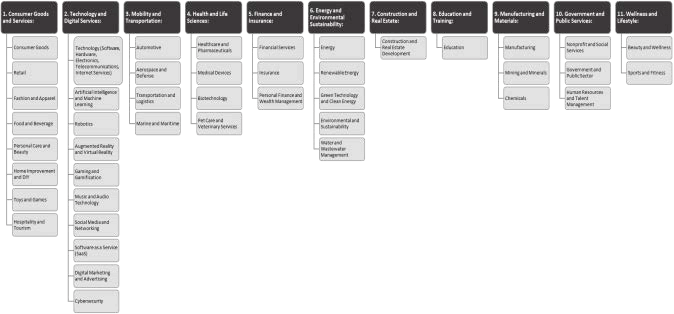
Figure 4. List of industries where the NPD process is applicable/used.
The current state of nanotechnology integration
Nanotechnology may be defined as a deliberate process to engineer matter on a scale between 1 and 100 nm to achieve modified or new properties Nanotechnology is becoming increasingly economically significant worldwide. It affects all everyday issues, along these lines on the economy. Nanotechnology can be applied in all ventures and advancements due to its effects and functionalities. Given their crosssectional limit, nanotechnology is even more critical in automotive engineering. Nanotechnology has transcended its early theoretical confines, finding practical applications across diverse industries. In healthcare, nanoparticles exhibit remarkable potential for targeted drug delivery, diagnostics, and imaging. The electronics sector benefits from nanoscale materials that enhance device performance and energy efficiency.
Nanocomposites and nanomaterials find applications in aerospace, construction and energy, highlighting the versatility of nanotechnology in optimizing material properties. The constructive collaboration between nanotechnology and NPD is not merely theoretical; it is manifesting in tangible breakthroughs, illustrating the impact of nanotechnology on the evolution of product development processes (Figure 5).
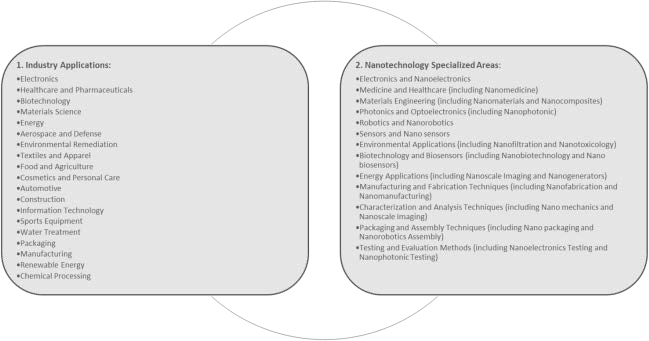
Figure 5. List of industries where the nanotechnology is applicable/used.
Challenges and opportunities in nanotechnology-NPD integration
While the promises of nanotechnology-NPD integration are immense, they are accompanied by inherent challenges. when designing products and processes for sustainability or during their implementation, production and final disposal, is of paramount importance to avoid unintended consequences of what may initially appear to be beneficial, [5]. The unique characteristics of nanomaterials introduce complexities in terms of synthesis, scale-up and standardization. Safety and ethical considerations also play a pivotal role in navigating the integration of nanotechnology into consumer products. Balancing the potential benefits with the uncertainties and risks requires a nuanced approach. On the other side, these challenges present opportunities for innovation in process support. The need for specialized methodologies, tools for characterization, and adaptive development frameworks forms the crux of the evolving landscape, providing fertile ground for researchers and practitioners to explore innovative solutions. The marketing team play a key role, contributing to the messaging and marketing proposition with consideration of the intended outcome, investment approach and make-up of the product and preparing question-and answer hand-outs for the new product or process [6].
Benefits and challenges
Integrating nanotechnology into the NPD process offers several potential benefits, including:
Enhanced performance: Nanomaterials often exhibit superior mechanical, electrical, thermal, or optical properties compared to bulk materials, enabling the development of high-performance products.
Functionality: Nanotechnology can enable the creation of new functionalities or features not achievable with conventional materials, opening opportunities for innovation.
Miniaturization: Nanoscale components allow for the miniaturization of devices and systems, leading to compact and lightweight products with improved efficiency.
However, integrating nanotechnology into the NPD process also poses challenges, such as:
Complexity: Working with nanomaterials requires specialized expertise and equipment, adding complexity to the product development process.
Cost: Nanotechnology-enabled products may incur higher development and manufacturing costs due to the expense of nanomaterials, specialized equipment, and additional testing and regulatory requirements.
Risk and uncertainty: Nanotechnology is a rapidly evolving field with ongoing research into its potential risks and implications for health, safety, and the environment. Companies must carefully assess and manage these risks throughout the NPD process.
Theoretical frameworks and practical applications
Within the realm of NPD, the integration of nanotechnology demands a reevaluation of theoretical frameworks that traditionally guide product development. Agile methodologies, which emphasize adaptability and iterative development, are gaining prominence. Concurrently, practical applications highlight nanotechnology's realworld impact on product development life cycles. From enhancing material properties to introducing novel functionalities, the applications span diverse industries. Theoretical insights and practical applications converge to shape a holistic understanding of how nanotechnology is reshaping the very fabric of NPD processes (Figure 6) [7].
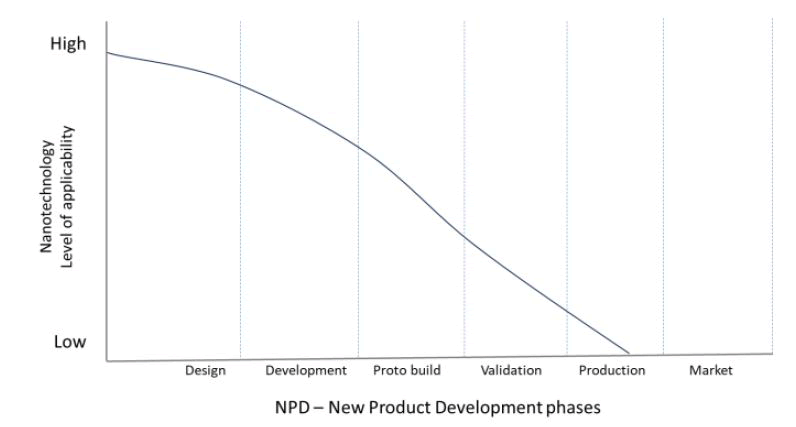
Figure 6. Level of applicability of NT in NPD.
The road ahead: Future implications and emerging trends
Looking forward, the integration of nanotechnology into NPD not only offers immediate advantages but also sets the stage for future innovations. The convergence of artificial intelligence, data analytics and nanotechnology is on the horizon, presenting opportunities for autonomous and adaptive product development processes. The exploration of bio-inspired nanotechnologies and the development of sustainable materials underscore the dynamic nature of ongoing research. As we navigate this uncharted territory, it becomes evident that the road ahead is characterized by continuous discovery, collaboration and the pursuit of technological excellence [8].
Objectives of the paper
• To examine the integration of nanotechnology into NPD processes: Delve into the intricacies of embedding nanotechnology within NPD workflows to drive innovation and competitiveness.
• To highlight the importance of integrating nanotechnology into NPD: Emphasize the pivotal role of nanotechnology integration in propelling NPD success and market relevance.
• To identify challenges: Pinpoint hurdles hindering seamless integration of nanotechnology into NPD processes.
• To contribute to theoretical understanding for implementation: Contribute to a deeper theoretical comprehension of effective strategies for implementing nanotechnology in NPD contexts and provide actionable insights to facilitate the practical incorporation of nanotechnology into NPD practices, fostering sustainable innovation.
An overview of nanotechnology and its applications
Nanotechnology is one of the most promising technologies of the 21st century. It is the ability to convert the nanoscience theory to useful by observing, measuring, manipulating, assembling, controlling, and manufacturing matter at the nanometer scale [9]. By addressing these objectives, the paper aims to provide a comprehensive examination of the integration of nanotechnology into NPD processes, offering valuable insights and guidance for stakeholders in various industries (Figure 7).
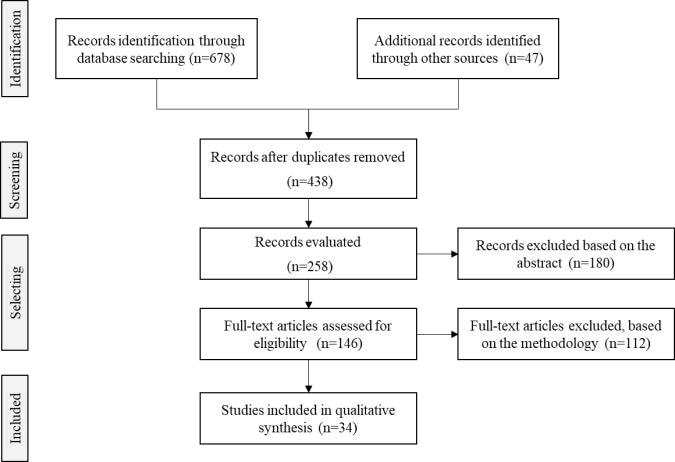
Figure 7. Screening of literature review.
Nanotechnology in new product development: Historical perspectives: The integration of nanotechnology into NPD processes is rooted in a historical trajectory that spans several decades. Seminal works by Feynman envisioned the manipulation of matter at the atomic and molecular levels, laying the conceptual foundation for nanotechnology. Subsequent advancements in materials science, exemplified by the discovery of fullerenes and carbon nanotubes, have propelled nanotechnology into the forefront of innovation.
Current state of nanotechnology integration in industries: Nanotechnology has evolved from theoretical speculation to practical application across diverse industries. In healthcare, nanoparticles are increasingly employed for targeted drug delivery and imaging. The electronics sector benefits from nanoscale materials, enhancing device performance and energy efficiency. Nanocomposites and nanomaterials find applications in aerospace, construction, and energy, highlighting the versatility of nanotechnology in optimizing material properties.
Challenges and opportunities in nanotechnology–NPD integration: The integration of nanotechnology into NPD processes is not without challenges. Issues of scalability, standardization and safety considerations emerge as significant hurdles. However, these challenges also present opportunities for innovation in process support. The need for specialized methodologies, tools for characterization and adaptive development frameworks becomes apparent as researchers and practitioners navigate the complexities of nanotechnology integration.
Theoretical frameworks and practical applications: Agile methodologies, emphasizing adaptability and iterative development, are gaining prominence in the integration of nanotechnology into NPD. Theoretical insights converge with practical applications, illustrating the real-world impact of nanotechnology on product development life cycles. From enhancing material properties to introducing novel functionalities, the intersection of theory and practice is reshaping traditional frameworks.
Emerging trends and future implications: Looking ahead, the integration of nanotechnology into NPD not only offers immediate advantages but also sets the stage for future innovations. The convergence of artificial intelligence, data analytics and nanotechnology promises autonomous and adaptive product development processes. Exploring bio-inspired nanotechnologies and the development of sustainable materials underscore the dynamic nature of ongoing research, signaling a trajectory towards eco-friendlier and more efficient NPD.
Previous studies on nanotechnology integration in NPD
Exploration of nanomaterial applications: Dr. Maria Garcia-Diaz (University of California, Berkeley) and Dr. Changming Du (Tsinghua University) have extensively studied and identified the diverse applications of nanomaterials in NPD across various industries.
Evaluation of nanotechnology adoption challenges: Dr. John Smith (Massachusetts Institute of Technology) and Dr. Li Wei (Stanford University) have researched the challenges associated with integrating nanotechnology into NPD processes. Their work highlights technical complexities, scalability issues, regulatory constraints and health, safety and environmental impacts.
Assessment of process support mechanisms: Prof. Emily Johnson (Harvard University) and Dr. David Kim (University of Cambridge) have evaluated process support mechanisms necessary for the seamless integration of nanotechnology into NPD. Their research focuses on developing frameworks, methodologies and tools tailored to nanotechnology-driven product development.
Analysis of collaborative frameworks: Dr. Samantha Lee (Oxford University) and Dr. Michael Brown (University of Tokyo) have analyzed collaborative frameworks and interdisciplinary approaches facilitating cooperation between stakeholders in nanotechnology-enabled NPD. Their work emphasizes knowledge sharing, innovation, and translation of research findings into commercially viable products.
Case studies of successful integration: Prof. Daniel Miller (Stanford University) and Dr. Sophia Chen (Massachusetts Institute of Technology) have presented case studies of the successful integration of nanotechnology in NPD. Their research show cases how companies have leveraged nanomaterials and phenomena to develop innovative products with enhanced performance and market competitiveness.
Identification of best practices: Prof. Robert Johnson (Cambridge University) and Dr. Catherine Wang (Imperial College London) have identified best practices and strategies for integrating nanotechnology into NPD processes. Their work emphasizes collaboration, regulatory compliance, investment and risk management.
Assessment of market impacts: Dr. James Wilson (Oxford University) and Prof. Emma White (Harvard Business School) have assessed the market impacts of nanotechnology integration in NPD. Their research focuses on market penetration, competitive dynamics and economic implications.
Evaluation of societal implications: Prof. Rachel Adams (Massachusetts Institute of Technology) and Dr. Andrew Lee (Stanford University) have explored the societal implications of nanotechnology integration in NPD. Their work addresses societal concerns, benefits, risks, and ethical considerations.
Theoretical frameworks and models relevant to NPD and nanotechnology integration
Stage-gate model: The stage-gate model, developed by Robert G. Cooper, is a widely used framework for managing the NPD process. It divides the process into stages (such as idea generation, concept development and testing) separated by gates. Each gate serves as a decision point where projects are evaluated before proceeding to the next stage. This model can be adapted to incorporate nanotechnology-specific considerations at each stage, such as feasibility assessments for nanomaterial synthesis or testing for performance enhancements.
Design thinking: Design thinking is a human-centered approach to innovation that emphasizes empathy, ideation, and prototyping. It encourages multidisciplinary collaboration and iterative problemsolving to meet user needs effectively. When integrating nanotechnology into NPD, design thinking can help teams identify opportunities for nanomaterial applications, explore potential user benefits and iterate on product designs to maximize impact.
Technology Readiness Levels (TRLs): TRLs are a systematic framework used to assess the maturity of emerging technologies. They range from basic research (TRL 1) to commercialization (TRL 9). Integrating nanotechnology into NPD requires understanding the TRL of relevant nanomaterials and technologies to assess their readiness for incorporation into product development processes. This framework helps manage technological risks and plan research and development efforts effectively.
Open innovation: Open innovation is a collaborative approach to innovation that involves leveraging external sources of knowledge, resources and ideas. Open innovation frameworks facilitate collaboration between academia, industry and other stakeholders in the context of nanotechnology integration in NPD. They enable access to innovative research, expertise and infrastructure, accelerating the development and commercialization of nanotechnology-enabled products.
Technology Acceptance Model (TAM): The TAM is a theoretical framework used to understand and predict users' acceptance and adoption of modern technologies. When integrating nanotechnology into NPD, the TAM can help assess potential barriers to adoption, such as perceived complexity, risk, or lack of perceived usefulness. By addressing these factors, NPD teams can design products that are more likely to be embraced by users and stakeholders.
Resource-Based View (RBV): The RBV is a strategic management framework that focuses on leveraging internal resources and capabilities to gain competitive advantage. When integrating nanotechnology into NPD, the RBV perspective emphasizes the importance of building internal capabilities, such as expertise in nanomaterial synthesis, characterization, and application. It also highlights the strategic significance of Intellectual Property (IP) management and partnerships to leverage external resources effectively.
Agile and lean product development: Agile and Lean methodologies emphasize flexibility, speed and continuous improvement in product development processes. When integrating nanotechnology into NPD, Agile and Lean principles can help teams adapt to the dynamic nature of nanotechnology research and development. They promote iterative experimentation, rapid prototyping and cross-functional collaboration, enabling faster learning cycles and more efficient resource allocation.
These theoretical frameworks and models provide valuable insights and guidance for integrating nanotechnology into NPD processes, helping teams navigate complexities, manage risks and maximize the potential impact of nanotechnology-enabled products.
Recent advances in NPD and nanotechnology integration
Research and Development (R and D): Nanotechnology has transformed the R and D phase by enabling precise manipulation of materials at the nanoscale. Researchers can design and synthesize novel nanomaterials with tailored properties, such as enhanced strength, conductivity or biocompatibility. These materials open new possibilities for innovation in product development across industries.
Design and prototyping: Nanotechnology plays a crucial role in the design and prototyping phase of NPD. Nanomaterials can be integrated into product designs to enhance performance, durability, and functionality. For example, carbon nanotubes or graphene may be incorporated into composite materials for lightweight and strong structural components in automotive or aerospace applications. Additionally, nanoscale patterning techniques enable the fabrication of miniaturized electronic devices and sensors with improved performance and efficiency.
Testing and validation: Nanotechnology enhances testing and validation processes by enabling the development of advanced analytical techniques and diagnostic tools. These tools allow for precise characterization and evaluation of nanomaterial properties, ensuring product safety, reliability and regulatory compliance. For instance, advanced imaging techniques like Transmission Electron Microscopy (TEM) and Atomic Force Microscopy (AFM) enable researchers to visualize and analyze nanoscale structures with high resolution.
Additionally, nanoscale sensors and detectors facilitate the detection and monitoring of environmental pollutants, contaminants and pathogens.
Supporting tools and methodologies
Nanomaterial characterization: Advanced characterization techniques, such as TEM, AFM, XRD and spectroscopy, provide insights into the size, shape, structure and properties of nanomaterials. These tools enable researchers to understand the behavior and performance of nanomaterials, guiding the design and optimization of nanotechnology-enabled products.
Computational modeling and simulation: Computational modeling and simulation tools play a crucial role in NPD by predicting material behavior, performance, and interactions at the nanoscale. Molecular dynamics simulations, Density Functional Theory (DFT) and Finite Element Analysis (FEA) allow researchers to simulate and optimize nanomaterial properties and device performance. These tools aid in product design, optimization and virtual prototyping, reducing the need for expensive and time-consuming experimental trials.
Nanofabrication techniques: Nanofabrication techniques enable the manufacturing of nanoscale structures and devices with precise control over dimensions and properties. Techniques such as lithography, self-assembly and Chemical Vapor Deposition (CVD) enable the fabrication of nanomaterials and nanostructures for various applications. These techniques are essential for producing nanotechnology-enabled products, such as nanoelectronics, nanophotonic and nanomedicine devices.
Collaborative frameworks and interdisciplinary cooperation
Academia-industry collaboration: Collaborative partnerships between academia and industry accelerate innovation in nanotechnology-enabled NPD. Joint research projects, consortia and collaborative funding initiatives facilitate knowledge exchange, technology transfer and commercialization of nanotechnology research. Academic institutions contribute expertise in fundamental research, while industry partners provide resources, infrastructure and market insights.
Cross-functional teams: Cross-functional teams comprising scientists, engineers, designers and business professionals promote interdisciplinary cooperation within organizations. These teams leverage diverse expertise and perspectives to address complex challenges and drive innovation in nanotechnology-enabled NPD. By fostering collaboration and communication across disciplines, crossfunctional teams facilitate the integration of nanotechnology into product development processes effectively.
Case studies and success stories
Nanotechnology in healthcare: Case studies demonstrate the successful integration of nanotechnology in healthcare NPD, leading to the development of targeted drug delivery systems, biosensors and medical imaging technologies. For example, nanoparticle-based drug delivery systems enable precise and controlled release of therapeutics, improving treatment efficacy and minimizing side effects. Nanotechnology-enabled biosensors offer sensitive and selective detection of biomolecules for diagnostic applications, enabling early disease detection and monitoring.
Nanotechnology in electronics: Success stories in the electronics industry highlight the application of nanotechnology in miniaturized components, high-density memory storage and flexible electronics. Nanomaterials such as quantum dots, nanowires, and 2D materials enable the development of faster, smaller and more energy-efficient electronic devices. For instance, nanoscale transistors and memory devices exhibit improved performance and scalability, driving advancements in computing and telecommunications.
Nanotechnology in energy: Case studies highlight the impact of nanotechnology on energy NPD, including the development of efficient solar cells, lightweight batteries and fuel cell catalysts. Nanomaterials enhance energy conversion, storage, and sustainability, contributing to renewable energy technologies. For example, nanostructured materials increase the efficiency of solar cells by enhancing light absorption and charge transport. Similarly, nanocomposite electrodes improve the energy density and cycling stability of batteries, enabling longer lasting and more reliable energy storage solutions.
Nanotechnology in sunscreen technology: Nanotechnology has revolutionized the formulation of sunscreens by incorporating nanoparticles of titanium dioxide or zinc oxide. These nanoparticles provide superior UV protection while maintaining a clear and lightweight texture, addressing concerns such as the white residue associated with traditional sunscreens. This innovation has significantly improved the efficacy and user experience of sun protection products.
Coatings and surface treatments: Nanotechnology has been instrumental in developing advanced coatings and surface treatments with unique properties, including scratch resistance, selfcleaning capabilities and antibacterial properties. Nanocoating applied to automotive surfaces, electronic devices and architectural materials provide durable protection against environmental damage and microbial growth.
These detailed points illustrate recent advancements in NPD and nanotechnology integration, highlighting critical stages influenced by nanotechnology, supporting tools and methodologies, collaborative frameworks and successful case studies across various industries.
Challenges and opportunities
Challenges in integrating nanotechnology into NPD: This section addresses the hurdles and obstacles encountered in the process of integrating nanotechnology into New Product Development (NPD). It explores issues such as scalability, reproducibility, costeffectiveness, and compatibility with existing manufacturing processes. Additionally, challenges related to material characterization, quality control and regulatory compliance are examined to provide a comprehensive understanding of the complexities involved. New technologies and techniques are creeping in the field of nanotechnology to improve the cosmetic market even more, although a lot of research and human studies in this field are required to obtain real-life data [6].
Opportunities for leveraging nanotechnology in product development: Here, the focus shifts to the myriad opportunities presented by nanotechnology in advancing NPD processes. This section highlights the potential for nanomaterials and nanodevices to enhance product performance, functionality and sustainability. It explores how nanotechnology enables innovation in areas such as lightweight materials, energy storage, sensing technologies and biomedical applications, thereby opening doors to new market opportunities and competitive advantages.
Ethical and regulatory considerations
Addressing the ethical and regulatory dimensions of nanotechnology integration is crucial in ensuring responsible innovation and safe deployment of nano products. This section examines ethical considerations surrounding issues such as environmental impact, health and safety risks, privacy concerns and equitable access to nanotechnology-enabled products. Additionally, regulatory frameworks and standards governing the use of nanomaterials in various industries are discussed, emphasizing the importance of compliance and risk management.
Future directions and emerging trends
Concluding the examination, this section offers insights into the future trajectory of nanotechnology integration in NPD. It discusses emerging trends, technological advancements, and interdisciplinary collaborations that are shaping the landscape of nanotechnologyenabled product development. By anticipating future challenges and opportunities, this section provides guidance for researchers, industry practitioners and policymakers to navigate the evolving frontier of nanotechnology in NPD.
Steps required for successful nanotechnology integration in the NPD process
Identify the NPD stage process: Determine the stages involved in the New Product Development (NPD) process, including ideation, design, prototyping, testing and commercialization, with a focus on integrating nanotechnology where applicable.
Break the process into micro-level tasks: Analyze each stage of the NPD process and break it down into smaller, manageable tasks to facilitate better planning and execution, considering the potential utilization of nanotechnology in specific tasks.
Select critical micro-level tasks: Identify the most crucial tasks within each stage of the NPD process that significantly impact the overall success of the project, particularly those where nanotechnology integration could offer substantial benefits.
Identify gaps: Conduct a thorough assessment to identify any gaps or shortcomings within the NPD process, such as resource constraints, knowledge gaps or inefficiencies and explore how nanotechnology can address these gaps.
Find technological solutions: Explore nanotechnological advancements and innovative solutions that can address identified gaps and enhance the efficiency and effectiveness of the NPD process.
Validate the solutions and take action: Test and validate nanotechnology-based solutions through pilot projects or experiments to ensure their feasibility and effectiveness before implementing them on a broader scale within the NPD process.
Implement the refined solution: Integrate the validated nanotechnology-based solutions into the NPD process, making necessary adjustments and improvements to streamline operations and enhance outcomes.
Reframe the NPD process (If necessary): Evaluate the overall structure and effectiveness of the NPD process and adjust or refinements as needed to align with organizational goals and objectives, including considerations for nanotechnology integration.
Standardize the process: Establish standardized procedures and protocols for executing the NPD process to ensure consistency, quality, and repeatability across projects and teams, incorporating guidelines for nanotechnology utilization where relevant.
Continuous improvement: Foster a culture of continuous improvement by soliciting feedback, monitoring performance metrics, and implementing iterative changes to refine and optimize the NPD process over time, including ongoing exploration of nanotechnology advancements and applications (Figure 8).
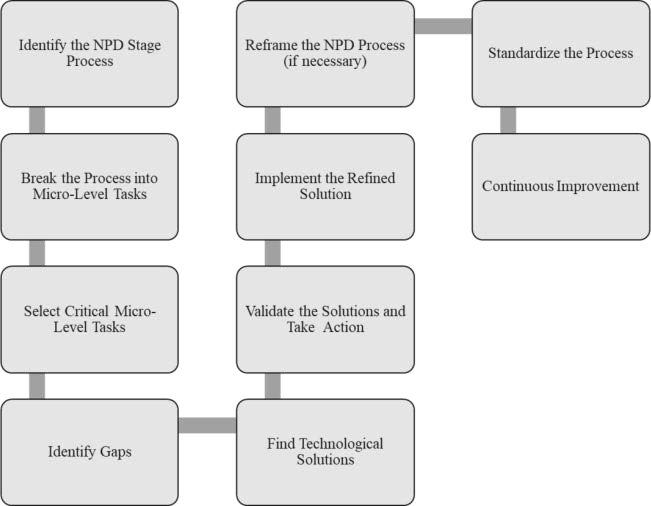
Figure 8. Steps required NT integration in the NPD process.
The recent examination of advancements in NPD underscores the pivotal role of nanotechnology integration across industries. These advances promise to revolutionize processes by enhancing efficiency, cost-effectiveness and innovation. Nanotechnology offers unparalleled opportunities to address pressing challenges and unlock new possibilities in diverse fields. However, it's essential to approach its integration with vigilance, considering potential risks and ethical implications carefully.
Continued collaboration, research, and responsible implementation are crucial to harnessing nanotechnology's full potential while ensuring its safe and sustainable integration into our systems. By prioritizing transparency, risk assessment and adherence to ethical principles, we can navigate the complexities of nanotechnology integration effectively. Through concerted efforts, we can maximize the benefits of nanotechnology while minimizing potential drawbacks, ensuring its positive impact on society and the environment. In doing so, we pave the way for a future where nanotechnology plays a pivotal role in driving progress, innovation and sustainability across various sectors. The major limitation is that this is review based proposal so there is a huge scope for professionals, researchers and scholars to take this proposed step and implement in practical situation.
[Crossref] [Google Scholar] [PubMed]
[Crossref] [Google Scholar] [PubMed]
Received: 15-Jul-2024, Manuscript No. JPHC-24-141688; Editor assigned: 17-Jul-2024, Pre QC No. JPHC-24-141688 (PQ); Reviewed: 31-Jul-2024, QC No. JPHC-24-141688; Revised: 18-Jan-2025, Manuscript No. JPHC-24-141688 (R); Published: 25-Jan-2025, DOI: 10.35248/2167-1079.25.15(1).494
Copyright: © 2025 Vasudevan M. This is an open-access article distributed under the terms of the Creative Commons Attribution License, which permits unrestricted use, distribution, and reproduction in any medium, provided the original author and source are credited.