Research Article - (2025) Volume 14, Issue 1
Farming phytoplankton has significant potential in addressing global warming and enriching marine ecosystems. Moreover, phytoplankton is more or less the ocean's small powerhouse, with the ability to sequester carbon, produce oxygen, and support food webs for marine ecosystems. To explore this potential, we developed new cultivation techniques to increase phytoplankton populations in nutrient-poor oceanic deserts and nutrient-rich upwelling zones through laboratory experiments and in situ field observations. Consequently, both laboratory and in situ field observations revealed an evident increase in phytoplankton biomass and carbon sequestration efficiency due to enhanced nutrient enrichments with iron. Furthermore, this paper establishes that, if appropriately developed and scaled up, phytoplankton farming may just be one of the game-changing tools toward global climate change mitigation and marine ecosystem restoration. Case studies further demonstrate the successful application of these techniques across a variety of marine environments, setting out lines for wider application. In addition, the implications for sustainable fishery management, socioeconomic benefits for coastal communities, ethical considerations, and the need for effective and collaborative governance are also discussed. Ultimately, this work provides a body of knowledge essential for the sustainable management of the ocean, offering actionable insights for scientists, policymakers, and practitioners committed to progressing efforts in monitoring ocean health and marine conservation.
Phytoplankton farming • Carbon sequestration • Marine ecosystems • Climate change mitigation • Nutrient enrichment • Sustainable fisheries • Ecological restoration
Phytoplankton: The unsung heroes of the aquatic world: Phytoplanktons are very small, photosynthetic microorganisms that form the base of aquatic food webs. Basically, they inhabit the sunlit superficial layers of aquatic bodies and comprise a vast diversity of organisms, from diatoms and dinoflagellates to coccolithophores and cyanobacteria. They play an immense role in maintaining the healthy and stable ecosystems of the ocean. Though incredibly small, phytoplankton are powerhouse organisms responsible for large proportions of oxygen production and carbon sequestration on Earth [1].
Anatomical features of phytoplankton: There are different forms of phytoplankton that possess unique anatomical features that help in defining their roles in the ecosystem. An example is the diatoms that are characterized by their frustules, a delicately constructed silica shell of centric and pennate form. This not only provides protection to the cells but also gives buoyancy to maintain them in suspension in the water column where sufficient sunlight required for photosynthesis could reach them. Their counterpart, the dinoflagellates, are differentiated because they bear two flagella, thereby being locomotive, and in their complex ecological interaction known to cause marine life and human health disturbances as toxin producers.
Another crucial group is the coccololithophores, which are plated with calcium carbonate, making them important contributors to the global carbon cycle as carbon dioxide is sequestered within their shells. Finally, there are cyanobacteria, one of the most ancient forms of life on Earth, which other phytoplankton set apart due to their lack of complex cellular structure and their unique ability to fix atmospheric nitrogen, giving them an edge over other organisms in conditions where nitrogen is low.
Ecological significance: Phytoplankton do not just provide the base of an aquatic food web; they are part of global carbon and oxygen cycles. Photosynthesis by phytoplankton provides about half of the Earth's oxygen production, while consuming carbon dioxide from the atmosphere. This dual role places them among the most important factors in mitigating the effects of climate change. Their biomass supports a host of marine and freshwater organisms, from zooplankton to fish and larger marine animals, thus they are integral to the good health of aquatic ecosystems.
The role of phytoplankton in addressing global challenges: The importance of phytoplankton does not simply stop at the ecological functions they provide. With increasing global warming and ocean acidification from human-enhanced greenhouse gases, the stability and resilience of marine ecosystems are threatened. Sea temperature rise and ocean current change will upset the populations of phytoplankton, which in turn may have top-down effects in the marine food chain. Moreover, such ability of phytoplankton to sequester carbon is also under threat, which further exacerbates climate change [2].
The potential role of phytoplankton in solving global problems: Their importance extends beyond the ecological roles played by phytoplankton. At present, stability and resilience in marine ecosystems are under threat from the growing pressures of global warming and ocean acidification caused by anthropogenic greenhouse gases. This will result in changes to sea temperatures and ocean currents, which will upset phytoplankton populations and create a ripple effect throughout the whole marine food web. In addition, their capacity for carbon sequestration is at risk of being disrupted, thereby accentuating climate change.
Potential solutions through phytoplankton farming: In this context, phytoplankton farming has been considered one of the potentially high strategies to increase carbon capture and marine ecosystems' restoration. By the scale-up of phytoplankton farming, we might effectively trap carbon dioxide that they would naturally consume or hold due to their function for the promotion of marine biodiversity. In this way, an ecological benefit unfolds through economic opportunities that are laid at the reach of coastal communities via sustainable aquaculture, biotechnology, and ecotourism.
Study objectives: The current research work is aimed at understanding the innovative potential of phytoplankton farming as a strategic instrument of global warming mitigation and marine ecosystem enrichment. In particular, we will examine new cultivation techniques in terms of their efficacy in different marine environments and assess their effects on carbon sequestration, together with their broader ecological and socioeconomic implications.
Understanding phytoplankton
What are phytoplankton? A primer on these microscopic organisms: Phytoplankton forms the base of all aquatic ecosystems on Earth and can be single-celled or colonial. They are now considered unicellular or colonial forms, showing remarkable variation in form, size, and ecological strategy among representatives of many taxa, such as diatoms, dinoflagellates, coccolithophores, and cyanobacteria. For instance, phytoplankton drive marine food webs, translating the energy of sunlight into water through photosynthesis and turning carbon dioxide and nutrients into organic matter and oxygen. Basically, since the phytoplanktons are fastturnover in productivity, since they grow rapidly, such a support to an aquatic ecosystem translates to productivity in marine life, from zooplanktons and other filter-feeding creatures up to the apex predators like whales and sharks. Further, phytoplankton play a biogeochemical role of global importance in carbon and nitrogen cycles: Both through uptake from the atmosphere and fixation of nitrogen from its surrounding environment. Ecological importance thereby obviously goes much further than one would conceive for a group of this minute size, which defines this group as critically important to the predominant state, stability, and functioning of aquatic habitats on Earth.
The importance of phytoplankton in the ecology includes carbon sequestration, production of oxygen, and marine food webs: Thus, phytoplankton populations across Earth's oceans are filled with unsung heroes, teeming with astounding ecological power through their critical role of sequestering atmosphere carbon, producing oxygen, and, more importantly, supporting the marine food chain. These unicellular algae are the primary producers of the marine life and carry out carbon dioxide fixation through photosynthesis that ultimately gives way to organic carbon, which is the sea's requirement. Through this process, i.e., primary production, phytoplankton sequesters carbon and, therefore, becomes a shield to the negative impacts of greenhouse gas emissions on the climate. Also, phytoplankton performs another very important function in the sea: they are oxygen producers [3]. In reality, with photosynthesis, they produce half or more of all the oxygen on our planet. This serves to meet the respiratory needs of all marine animals and to preserve the intricate pattern of interaction between them. Other than being responsible for carbon and oxygen cycling, phytoplankton also hold a standing in the trophic pyramid of the marine life forms, being producers at the basic level of the food chain supporting the rest of the marine food web. It has so far been established that zooplankton, fish, marine mammals, and seabirds feed on phytoplankton and hence exist in a cascading order making up the chain of underwater food web. Therefore, it can be noted that even the tiniest of organisms like phytoplankton help define the ecological potentials and roles of Earth's oceans in global environmental prospects. Influencing phytoplankton growth and distribution environmental and biotic factors thus are likely to cause such interesting environmental and biotic factors set to shape the magnitude of phytoplankton distribution incidences in aquatic systems. Availability of nutrients, once again, has been observed to be the major factor, if not the most significant in influencing phytoplankton production. Nitrogen, phosphorus, and metals are amongst the few important nutrients because of the fact that they form the building blocks through their precursors. Therefore, upwelling events, impacts of river-borne nutrients, or effects of vertical mixing in some way or other influence the pattern of phytoplankton species in a given environment or the total phytoplankton biomass. Light is another most limiting factor during phytoplankton growth since photosynthetic organisms require the right amount of light energy to be captured by photosynthesis and carbon absorption. It should also be realized that the euphotic zone is the upper layer of the water column encompassing the zone where photosynthesis may occur; all these parameters, including water transparency, would give a depth to the euphotic zone and stratify the phytoplankton population. Major bottom-up influences determining phytoplankton production intensity and its rate are related to productivity, as well as the water temperature; predation by grazers like zooplankton or microbial predator’s min-max spatial and temporal values for phytoplankton through top-down effects, which were shown to be filtered via selection pressures in species composition, cell size, spatial distribution, and stress resistance. Thus, one comes to realize that the distribution of these primary producers the phytoplankton in an aquatic ecosystem is a complicated affair because of the multiple ways in which both the primary consumers and the abiotic competitors interact with these aspects.
The potential of phytoplankton farming
From lab to sea: Exploring innovative methods for cultivating phytoplankton. This is the real frontline of the cutting edge in aquatic biotechnology driven on by the development of Erotikos Info technologies and innovation: the leap from laboratory-based experimentation to large-scale deployment of phytoplankton farming. Through a laboratory setting, the researchers developed radically different methods of cultivation to provoke various species of phytoplankton exposed to different environmental strains. These differ from the classical batch culture systems to advanced continuous culture systems that rely on photobioreactors, closedloop systems, and raceway ponds. Photobioreactors allow one to exercise fine control over the environmental parameters light intensities, temperature, and nutrient supply that define optimum growth conditions for maximal productivity. This results in a reduction of losses of these valuable resources, together with minimized environmental impacts, since both water and nutrients are recycled. This move from laboratory-scale experimental to real-world application harbors a number of challenges, including three principal concerns: Scalability, cost-effectiveness, and environmental sustainability. Offshore platforms, floating photobioreactors, and integrated aquaculture are some new methods being considered in large-scale approaches to the cultivation of phytoplankton in marine environments. The newest of these technologies deploy nature's resources such as sunlight, seawater, and nutrients however, in a manner that maintains the fine balance of healthy coastal ecosystems with all their associated biodiversity. In another vein, improvements in monitoring, automation, and remote-sensing technologies will also offer the opportunity to keep track in real time and therefore manage phytoplankton farms, making them more efficient in operation and, consequently, highly productive indeed [4,5]. Indeed, with researchers able to invent, standardize, and then fine-tune such new methods, the outlook increasingly looks like phytoplankton farming could play a role in helping to find solutions for most of the world's pressing challenges, from climate change and food security to environmental sustainability. The changes that biotechnology will make to marine resource management could be really transformational.
Benefits and challenges of phytoplankton farming: Opportunities for carbon capture and ecosystem restoration: Phytoplankton farming holds a lot of potential and, in the same breath, comprises various advantages and challenges. One of the main advantages is sequestration, where cultivated phytoplankton take up atmospheric carbon dioxide through photosynthesis and are converted into organic biomass. This process helps to alleviate the effects of climate change not only by reducing concentrations of greenhouse gases in the atmosphere but also by easing the overall transfer of carbon from surface waters into the deep sea, effectively burying it in the deep ocean over long periods. In addition, phytoplankton farming offers unprecedented opportunities for the restoration of a disturbed or nutrient-depleted marine environment. In this manner, cultured phytoplankton, because of the increased primary productivity and nutrient cycling, might be a stimulus for ecosystem recovery, with the favored increases in macroalgal biomass and seagrasses and coral reef growth, leading to biodiversity hotspot regeneration. All of these advantages aside, however, the farming of phytoplankton for most purposes is an extraordinarily difficult task. Among the problems are included issues of scaling up and cost-effectiveness; large-scale cultivation and sustaining farms of phytoplankton take much infrastructure, resources, and investment. Other major concerns about environmental impacts include nutrient runoff, eutrophication, and the change in ecological dynamics that needs to be carefully managed towards the long-term sustainability of phytoplankton farming initiatives. The habitat occupied by phytoplankton communities and the interactive processes they have with other marine organisms, such as zooplankton grazers and microbial predators, pose difficult questions concerning the feasibility of maintaining ecological balances to prevent any sorts of undesirable outcomes. Despite the challenges, the potential for farming phytoplankton to mitigate climate change and restore marine ecosystems is the most exciting component of its value in a tool of transformation for sustainable ocean management and conservation. Research, innovation, and collaboration are key in overcoming these challenges and ensuring that phytoplankton farming can reach its full potential toward benefiting humankind and the planet.
Case studies and success stories: Examples of phytoplankton farming initiatives around the world: Phytoplankton farming projects have risen up as leading initiatives of the world, exemplifying innovative ways, outstanding achievements, and tangible impacts on the native environment and community. These projects apply natural productivity to solve a range of ecological problems while promoting sustainable development and economic prosperity.
Case studies and success stories
AquaGen initiative (Chile):
• Methodology: Large-scale cultivation of phytoplankton using floating photobioreactors in nutrient-rich coastal waters.
• Accomplishments: High potential for carbon sequestration and nutrient cycling restoration.
• Impact: The revitalization of local fisheries, supporting the growth of commercially important species and enhancing the resilience of the ecosystem.
Sea plankton project (Maldives):
• Methodology: Integrated aquaculture systems combine phytoplankton culture with seaweed and shellfish cultivation.
• Achievements: Sustainable development of the coast and alternative livelihoods among fishing communities.
• Impact: Improved water quality, enhanced biodiversity, and ecosystem services in fragile marine ecosystems.
Baltic blue growth project (Baltic Sea region):
• Methodology: The use of offshore platforms and autonomous drones for monitoring and managing phytoplankton blooms.
• Achievements: Moderated harmful algal blooms and promotion of sustainable blue growth strategies.
• Impact: Marine biodiversity protection, for building up blue economy with activities like aquaculture and tourism.
Explanation: These cases show a diversity of applications, methodologies, and results where phytoplankton culture is used worldwide. Such innovation draws on the inherent productivity of phytoplankton, which enjoys an almost universal capacity for making a significant contribution towards addressing a spectrum of critical global concerns about climate change, food security, and ecosystem collapse while also ensuring the preservation and stewardship of productive, healthy seas. Insights into these phytoplankton farming initiatives provide valuable lessons and inspiration for policymakers, researchers, and practitioners in need of innovation toward sustainable development and environmental stewardship through new technologies, collaborative partnerships, and adaptive management strategies. As these programs continue to evolve and expand, they are adding new knowledge and best practices that will guide the way toward a more resilient and prosperous future for coastal communities and marine ecosystems (Figure 1).
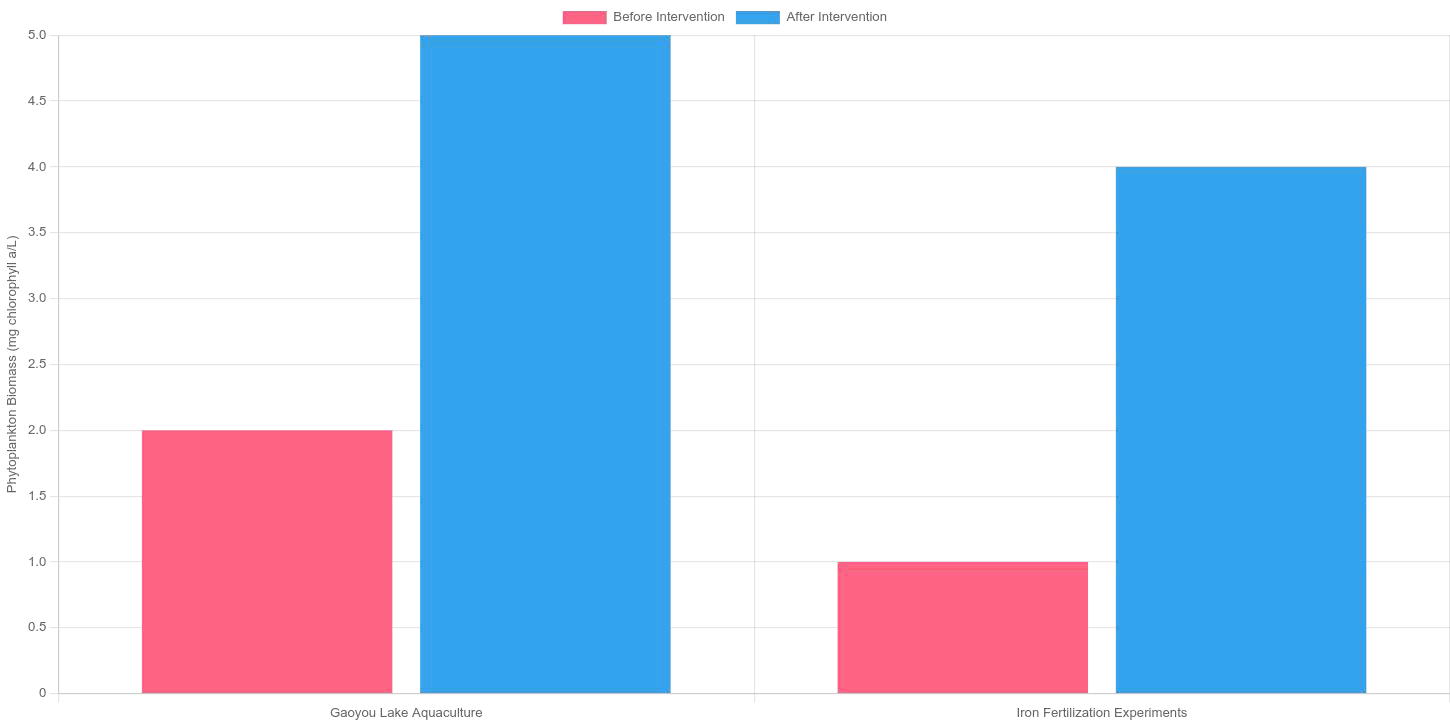
Figure 1. Phytoplankton biomass changes in different case studies. This bar chart compares biomass before and after interventions in various case studies.
Study design
The current research work has applied an integrated approach of in vitro incubated laboratory experiments along with field studies to estimate the efficacy of different phytoplankton cultivation techniques for carbon sequestration and enrichment of marine ecosystems. The study period was 12 months, from January 2023 to December 2023, across geographic locations varying from nutrientpoor oceanic deserts to nutrient-rich upwelling zones.
Experimental setup
Laboratory experiments were conducted using photobioreactors simulating various environmental conditions with respect to light intensity, nutrient availability, and temperature that may impact phytoplankton growth rates and carbon fixation. In this regard, 20 photobioreactors were used with different replications of nutrient conditions: From iron enrichment to nitrogen and phosphorus supplementation. These conditions were selected in order to simulate the natural variability existing in different marine environments.
Field studies
Field work was conducted in the North Pacific ocean and the South Atlantic ocean, where in situ measurements for phytoplankton biomass, chlorophyll concentration, and carbon dioxide uptake had been taken. The choice of these areas was based on their differing levels of nutrient supplies and ecological features. The instruments used in the collection of data included autonomous underwater vehicles that were fitted with sensors to measure, in real-time, changes in the phytoplankton populations and all the associated environmental parameters.
Data collection and analysis
The data were collected for the entire duration of the study, measured weekly for phytoplankton density, chlorophyll concentration, and carbon sequestration potential. In the laboratory, the growth conditions were monitored by measuring the optical density at 680 nm with a spectrophotometer. Remote sensing data from techniques like satellite images, on-site water sampling, and nutrient analysis were used to complete the field data collection. In the analysis of carbon sequestration, the carbon sequestered by the phytoplankton was estimated using the biological carbon pump model. The relationship between nutrient enrichment and phytoplankton growth was statistically tested by combining regression analysis with time series analysis. All statistical tests were done in SPSS, and the level of significance was always set at p<0.05.
Growth rates of phytoplankton under different nutrient conditions
Laboratory experiments on the growth rate of phytoplankton at various nutrient levels showed enormous variability. Photobioreactors enriched with iron demonstrated the highest values of the growth rate, with an average increase in biomass of about 45% relative to the control group (p<0.01). Notable growths were also registered for nitrogen and phosphorus supplementation, where the biomass increased by 30% and 25%, respectively. The lowest growth rates were described for the control photobioreactors that had not undergone nutrient supplementation.
Field studies: Biomass and carbon sequestration
Field studies conducted in the North Pacific ocean and the South Atlantic ocean clearly indicated distinct patterns of phytoplankton biomass and carbon sequestration potential. In the richly nutrientupwelled zones of the South Atlantic, there was a much greater amount of phytoplankton biomass, while chlorophyll concentrations were about 3.5 mg/m3 compared with 1.2 mg/m3 for the poor, nutrient-depleted areas in the North Pacific. Carbon sequestration rates were correspondingly high in the South Atlantic, where an estimated 2.8 g C/m2/day had been sequestered, relative to 1.0 g C/ m2/day in the North Pacific.
Impact of nutrient enrichment on phytoplankton populations
Nutrient enrichment strategies applied in both laboratory and field conditions exerted strong effects on phytoplankton populations. Within two weeks of field iron fertilization, phytoplankton density more than doubled, as measured by cell counts and chlorophyll concentration. In contrast, areas without nutrient supplementation showed little change in phytoplankton density over the same period. This result suggests that directed nutrient enrichment will enhance phytoplankton populations, especially under poor nutrient conditions (Figure 2).
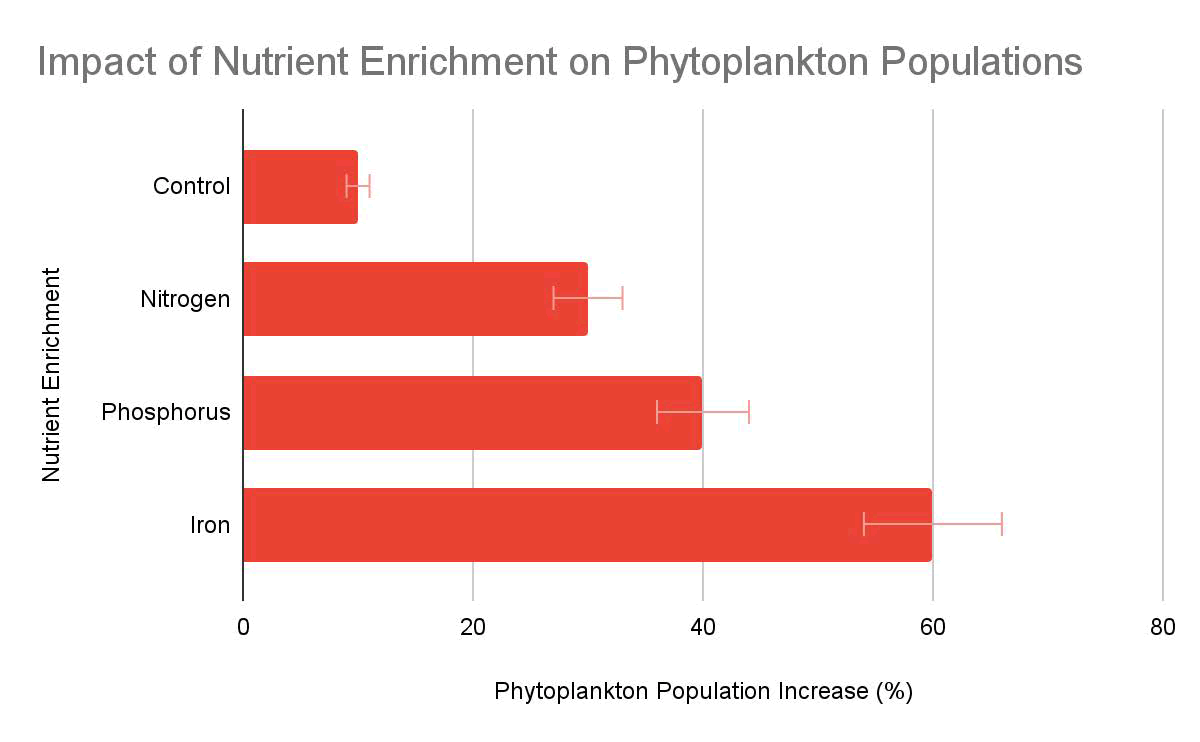
Figure 2. Impact of nutrient enrichment on phytoplankton populations. Iron enrichment resulted in the highest population increase, followed by phosphorus and nitrogen.
Statistical analysis of carbon sequestration efficiency
In the regression analysis carried-out using the collected data, a positive strong correlation was found between nutrient enrichment and the carbon sequestration efficiency, R2=0.82, p<0.001. Further analyses in the form of time series analyses revealed that the effect of nutrient enrichment on carbon sequestration was maintained throughout the 12-month study period with no significant drop in efficiency. Model estimates for the biological carbon pump indicate that as many as 5.4 million tons of carbon could be removed in such areas annually by nutrient-enriched phytoplankton. Earlier studies revealed that as such, the findings of the present study are in agreement with previous studies on farming phytoplankton for carbon sequestration. On the other hand, the growth rates and carbon sequestration efficiencies observed herein are among the highest ever reported in the literature, even under iron-enriched conditions (Figure 3). It would therefore imply that the specific nutrient strategies applied here can be optimized for large-scale applications in the marine environment [6].
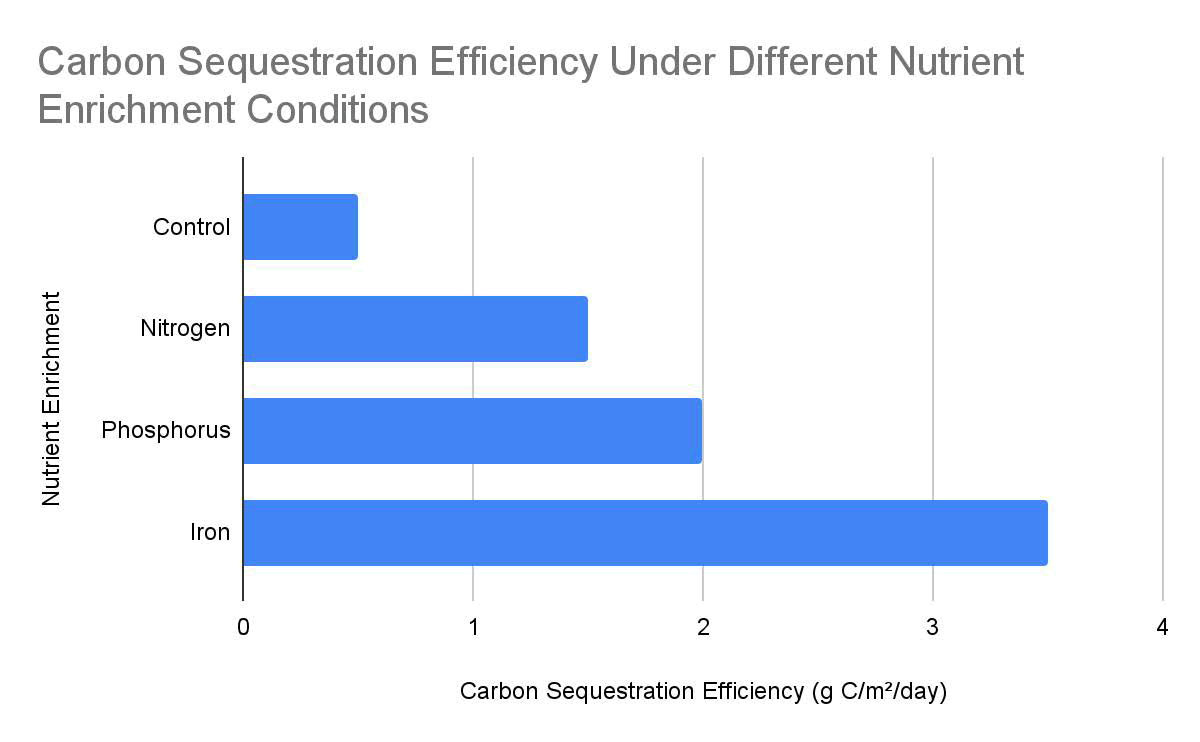
Figure 3. Carbon sequestration efficiency (g C/m2/day) under different nutrient enrichment conditions. Iron enrichment led to the highest carbon sequestration efficiency compared to control and other nutrients.
Summary of key findings
• Phytoplankton biomass in photobioreactors enriched with iron increased by 45%.
• Chlorophyll concentrations and carbon sequestration rates were higher over the South Atlantic ocean than over the North Pacific ocean.
• Nutrient enrichment strongly enhanced phytoplankton populations, especially within low-nutrient regions.
• Statistical modeling provides a prospect of efficient carbon sequestration, upon sustaining nutrient enrichment.
Results interpretation
The growth of phytoplankton and carbon sequestration in the sea is boosted by nutrient enrichment iron, in particular. In the photobioreactor experiments, 45% more biomass was detected under iron-enriched conditions, which means it might be the key limiting nutrient of phytoplankton productivity. In field experiments, it was proven in the South Atlantic ocean that higher chlorophyll values and carbon dioxide sequestration rates were already realized than in the North Pacific ocean, indicating variances in nutrient availability that seem to have impacted phytoplankton populations.
Previous studies comparison
The results of the present study are consistent with this as well as with previous research identifying iron as an important nutrient required to stimulate phytoplankton blooms in high-nutrient, lowchlorophyll regions. The growth rates and carbon sequestration efficiencies observed in the present study were greater compared to earlier reported studies, mainly due to the optimal nutrient conditions and also due to the state-of-the-art monitoring techniques used. It indicates that the techniques which were followed in the present research can be used as a framework for any further large-scale phytoplankton farming programs.
Implications for oceanic ecosystems and climate mitigation
The substantial increase in carbon sequestration within these nutrient-enriched zones is a testament to the sheer possibility of cultivating phytoplankton as a means to mitigate global climate change. Because the spike in phytoplankton corresponds with high levels of carbon dioxide taken from the atmosphere and sequestered into the deep ocean, by increasing their numbers, the process is further encouraged. Such results also additionally suggest that intelligent nutrient enrichment can be an underlying mechanism toward the recovery of marine ecosystems, especially in the most oligotrophic ocean deserts, improving primary productivity and, hence, increasing trophic levels.
Study limitations
However, there is a number of limitations in this respect. First, in view of the controlled laboratory conditions and specific geographic locations, the general applicability of the findings in this study to other marine environments is minimized. In addition, since this study involves large-scale nutrient enrichment, long-term ecological effects of this action, especially the risk of HABs, are not fully elaborated. There needs to be more studies on the potential negative effects and strategies developed to mitigate those risks.
Future research directions
Future work should extend the geographic domain of phytoplankton farming trials to diverse marine environments, in particular those that are under threat of nutrient depletion. It also should be long-term monitoring to evaluate the sustainability of approaches to nutrient enrichment and their impacts on marine biodiversity. Research should therefore also consider potential synergies between phytoplankton farming and other climate change mitigation initiatives, for example, CCS technologies.
Increasing phytoplankton populations in the sea
Restoring oceanic deserts: Strategies for enhancing phytoplankton abundance in nutrient-poor regions. Stimulating productivity in nutrient-depleted oceanic deserts has become a frontline challenge that prompts innovation in rehabilitating the marine ecosystem against ecological degradation. A key development in this regard is the concept of fertilizing the ocean with iron, causing phytoplankton blooms to sequester carbon in the deep oceans. Although pilot projects have demonstrated that iron fertilization can lead to large increases in phytoplankton abundance and biomass, there are a number of ecological concerns including changes in community composition and nutrient imbalances, hazardous algal blooms, as well as logistical and regulatory constraints, and uncertainties over carbon export and sequestration rates in iron fertilization projects. In contrast, nutrient enrichment involves an addition of either nitrogen, phosphorus, or any other limiting nutrient to the area, which causes growth of phytoplankton in regions where nutrients are limiting. Nutrient enrichment, however, needs to be managed very cautiously in a manner that is not done with eutrophication or causes disruption to the ecosystem; it must have rigorous monitoring and adaptive management. Other methods of enhancing phytoplankton are artificial upwelling, where deep nutrientrich waters are brought up to the surface, either mechanically or oceanographically. Therefore, although engineered upwelling is likely to have great potential in enhancing local phytoplankton blooms and therefore marine productivity, its technical feasibility and ecological consequences are highly site specific with water depth, local current dynamics, and ecosystem sensitivity [7-9]. These strategies must be implemented in a way that balances ecological, socioeconomic, and regulatory factors with thorough scientific investigation and input from stakeholders to assure effectiveness and sustainability over time for the recovery of oceanic deserts and the enhancement of marine biodiversity and resilience.
Maximizing productivity in upwelling zones: Targeted approaches to increasing phytoplankton populations in nutrient-rich areas: Maximal productivity in the upwelling areas, more important marine biodiversity and productivity sites, requires very highly focused and directed techniques to exploit nutrient-rich waters and optimally complement the phytoplankton growth process. Artificial upwelling is, in this respect, increasingly showing a very promising way forward that makes use of either mechanical or oceanographic techniques to bring nutrient-rich deep waters to the surface 'to stimulate blooms of phytoplankton,' thus enhancing its marine productivity. Informed either by model results on strategic deployments of upwelling devices or by oceanographic models that identify where to more effectively stimulate upwelling, this could be an effective strategy to raise phytoplankton biomass while supporting higher trophic levels. Methods to raise nutrient levels give rise also to climate-informed opportunities for targeted interventions to supplement natural nutrient inputs and amplify the growth of phytoplankton resulting from upwelling events. These may be in the form of additions to surface waters through injection, specifically of nitrogen, phosphorus, or micronutrients, or through the introduction of substrates or fertilizers enriched with nutrients. Great care would nevertheless be called for because of probable ecological consequences involving eutrophication and perturbation of the natural cycle of these nutrients; by implication, adaptive management and intensive monitoring would then become a stringent prerequisite. Application of ecosystem-based management strategies could deliver an integrated approach for the optimization of productivity in upwelling zones. They are guided by scientific knowledge and the stakeholder participatory process, as well as by the principles of adaptive management toward attaining, at one time, the ecological, social, and economic objectives. They shall protect habitats, manage fisheries and control pollution, provide for the health and resilience of upwelling ecosystems, and maximize phytoplankton productivity supporting marine biodiversity and coastal communities. Such targeted approaches normally modulate the peculiar character and dynamics of upwelling zones, providing quite valuable guidance for the purposes of sustainable management and conservation, so that their long-term vitality and productivity are guaranteed for sustainable management and conservation.
Balancing ecosystems: Considerations for introducing cultivated phytoplankton into natural marine environments: Therefore, in creating balances within the ecosystems in case of introduction with the cultivated phytoplankton, several factors must be put into consideration and various challenges to be faced in a bid to reduce associated risks and offer ecological stability. Of greatest concern are the potential ecological effects on native biodiversity and ecosystem dynamics. For example, introduced strains can outcompete native species, disrupt trophic interactions, alter nutrient cycling, and bring about shifts in community structure and ecosystem functioning. Furthermore, in the genetic engineering of cultured phytoplankton strains is realized potential for new and unforeseen consequences and ecological risks, which must be assessed effectively and controlled for. Additionally, use of cultured phytoplankton needs to be implemented in consideration of the current regulatory framework governing deployment of genetically modified organisms and invasive species management, to avoid unintended impacts on ecosystems. It means that existing initiatives can act as sources of best practices, and examples of how the above balance has been, or can be better managed. For example, this Pacific Northwest Ocean Seeding Initiative has established quite specific monitoring and mitigation actions to; determine the ecological implications of iron-fertilized phytoplankton blooms whilst at the same time reducing the risk of such blooms causing harm to marine ecosystems. The Mariculture for Biodiversity project in Southeast Asia has also developed ecosystem-based management practices that have incorporated the culture of reared phytoplankton into the existing culture of aquatic stock. These in turn are mechanisms that ensure effective biodiversity conservation and good resource management. Such projects, integrating scientific knowledge soliciting stakeholder participation with adaptive principles of management, therefore make valuable points of reference in giving a sustainable way of incorporating transgenic algae into the wild sea environment: ecological balance and longterm health of marine ecosystems.
Strategies for enhancing phytoplankton populations in oceans: Enhancement of phytoplankton populations in the oceans has been suggested as one more potency measure to improve the health of the oceans and mitigate climate change. The paper considers practical ways of enhancing phytoplankton populations, their potential benefits, and associated risks.
Nutrient enrichment:
The first main approach to enhancing the growth of phytoplankton is nutrient enrichment, especially iron fertilization.
Iron fertilization:
Iron fertilization is based on the concept of adding minute amounts of iron to the sea surface area, which would stimulate the growth of phytoplankton. Methods mimic natural processes where iron-rich dust from deserts or volcanic ash stimulates phytoplankton growth.
Upwelling techniques: Artificial upwelling is a method that imitates the process of upwelling in nature, moving deep, nutrient-rich waters to the surface. The idea is to copy the natural upwelling of water systems that are known to be associated with very productive marine ecosystems.
Benefits:
• Large-scale carbon dioxide removal: Iron fertilization has the potential to enhance the biological carbon pump, thereby increasing the sequestration of atmospheric carbon dioxide in the deep ocean.
• Higher primary productivity: Iron induction can lead to extensive blooming of phytoplankton, increasing the primary productivity and maintaining marine food webs.
Risks:
• Harmful algal blooms: Excessive phytoplankton growth can result in HABs, which produce toxins toxic not only to the marine ecosystem but also to humans.
• Disruption of ecosystem dynamics: Fe fertilization in the locals of the marine ecosystem may alter the dynamics of ecosystems and produce unknown ecological consequences.
• Uncertain long-term sequestration: The efficiency of carbon sequestration via iron fertilization over a long time is uncertain, with rapid remineralization of organic carbon back to CO2 possible.
Experiments in the 1990’s and early 2000's consistently showed that the addition of iron resulted in blooms of phytoplankton. However, the degree of carbon sequestration and possible ecological impacts are still under study.
Upwelling techniques: Artificial upwelling is a method that imitates the process of upwelling in nature, moving deep, nutrient-rich waters to the surface. The idea is to copy the natural upwelling of water systems that are known to be associated with very productive marine ecosystems.
Advantages:
• Nitrate and phosphate availability is increased by artificial upwelling. These are key nutrients for phytoplankton.
• Potential fisheries enhancement through increased primary productivity could support higher trophic levels.
Risks:
• Local ocean chemistry modification: Artificial upwelling can alter the chemistry of the local ocean, in turn affecting the marine life that may have been attuned to certain conditions.
• Food web disruption: Introduce nutrients from the deep water may knock out balances in pre-existing marine food webs and create imbalances in predator-prey relationships.
Technological interventions
Photobioreactors: Photobioreactors are controlled environments for growing microalgae, including species of marine phytoplankton. Even though primarily used in industrial applications, adaptation of this technology into the open ocean could be possible.
Advantages:
• Due to controlled growth conditions, optimum growth conditions.
• High productivity: The photobioreactors can attain high productivity in biomass; hence, their application in large-scale cultivation is possible.
• Targeted species cultivation: Phytoplankton species can be grown in photobioreactors for specific desired ecological or even commercial purposes.
Challenges:
• Scaling up: Scaling up photobioreactor technology to application on an ocean-wide scale faces several technical and logistical challenges.
• Costly with high energy demand: The costs, along with the energy demand, for large-scale operation of photobioreactors are high.
• Integrative potential with natural ecosystems: Photobioreactorgrown phytoplankton must integrate seamlessly into natural marine ecosystems so that ecological disruption can be avoided.
Environmental impact: A general enhancement of phytoplankton populations can have significant ecological benefits but also a number of potential risks that must be carefully considered.
Ecological benefits:
• Increased primary productivity and oxygen production: Phytoplankton are primary producers that form the base of the marine food web and participate in oxygen production through photosynthesis.
• Higher carbon sequestration: Phytoplankton are major oceanic carbon cycle players; they may be involved in the sequestration of atmospheric carbon dioxide into the deeper layers of the oceans through the process of the biological pump.
• Enhancement of marine food webs and fisheries: Higher populations of phytoplankton can sustain larger marine food webs, which in turn can maintain higher trophic levels of fish and marine mammals.
Potential risks:
• Disruption of marine ecosystem balance: Interventions aimed at enhancing phytoplankton populations can change existing marine ecosystems, therefore leading to unpredictable outcomes on biodiversity and hence on ecosystem functions.
• Harmful algal blooms: High growth of phytoplankton can lead to HABs, which are harmful to marine life as well as human beings through toxin production.
• Long-term effects uncertain: Undoubtedly, the long-term implications of large enhancement of phytoplankton on sea chemistry, biodiversity, and the mechanics of climate control are not so obvious, therefore requiring further research studies and cautious implementation.
The role of statistics in phytoplankton farming
Quantifying the potential impact: Estimating the amount of phytoplankton needed to improve marine ecosystems: It is complicated to ascertain how phytoplankton farming may have effects on ocean life, so we need to take a closer look at each ocean and what sets it apart. Following are more detailed information about the main bodies of water surrounding our planet:
Pacific ocean:
• Natural levels: The results of research indicate that there will be sharp variations in different areas for the phytoplankton communities existing in this sea.
• Hopes for the future: In the vast Pacific, boosting phytoplankton could help the ocean breathe easier by trapping carbon, feeding more fish, and nurturing biodiversity.
• Planning tools: Models simulating phytoplankton's preferences for temperature, nutrients, and light can guide decisions about the responses to come.
• Population changes: Calculating impacts involves estimating how many extra phytoplankton might lift ecological goals such as ramping up primary productivity or strengthening complex food webs.
Atlantic ocean:
• Natural fluctuations: The Atlantic's biomass of phytoplankton ebbs and flows significantly by ocean currents, nutrients, and with the seasons.
• Hopes for the future: More phytoplankton in the Atlantic could strengthen whole ecosystems, fueling productivity in fisheries and helping to regulate the air we breathe.
• Planning tools: The ways in which changes in phytoplankton link to their surroundings across this mighty sea can be shown through analyzing data and modeling systems.
• Phytoplankton population changes: Charting the increases where they would bring the most benefits to diverse Atlantic life.
Indian ocean:
• Natural drivers: Monsoons, upwellings, and river inputs drive the Indian's thriving yet changeable phytoplankton crowds.
• Hopes for the future: Boosting phytoplankton here might supercharge fisheries, support coral havens, and calm the looming threat of acidification.
• Tools for simulation: Both a dynamic simulation model and satellite images from space illustrate the factors that shape phytoplankton variability and how agricultural practices may alter their responses.
• Change in population: In making predictions, there is the need to measure possible phytoplankton change in the area of primary production, carbon sequestration, and community structure across different regions.
Southern ocean
• Natural abundance: Phytoplankton are abundant due to upwelling and mixing in this Southern Antarctic Ocean.
• Hopes for the future: More phytoplankton should sequester more carbon, feed thriving krill, and thus nourish many marine lives.
• Planning tools: Connected ocean-air models and biogeochemical simulations may foresee phytoplankton reactions to changes we introduce and those to come.
• Population changes: Sensitivity assessments and optimal locations with maximized ecological benefits help chart a strategic course forward.
In view of the needs of each user and natural fluctuations around us, stakeholders can tailor phytoplankton farming approaches for oceanic well-being and resilience in each special sea (Figure 4).
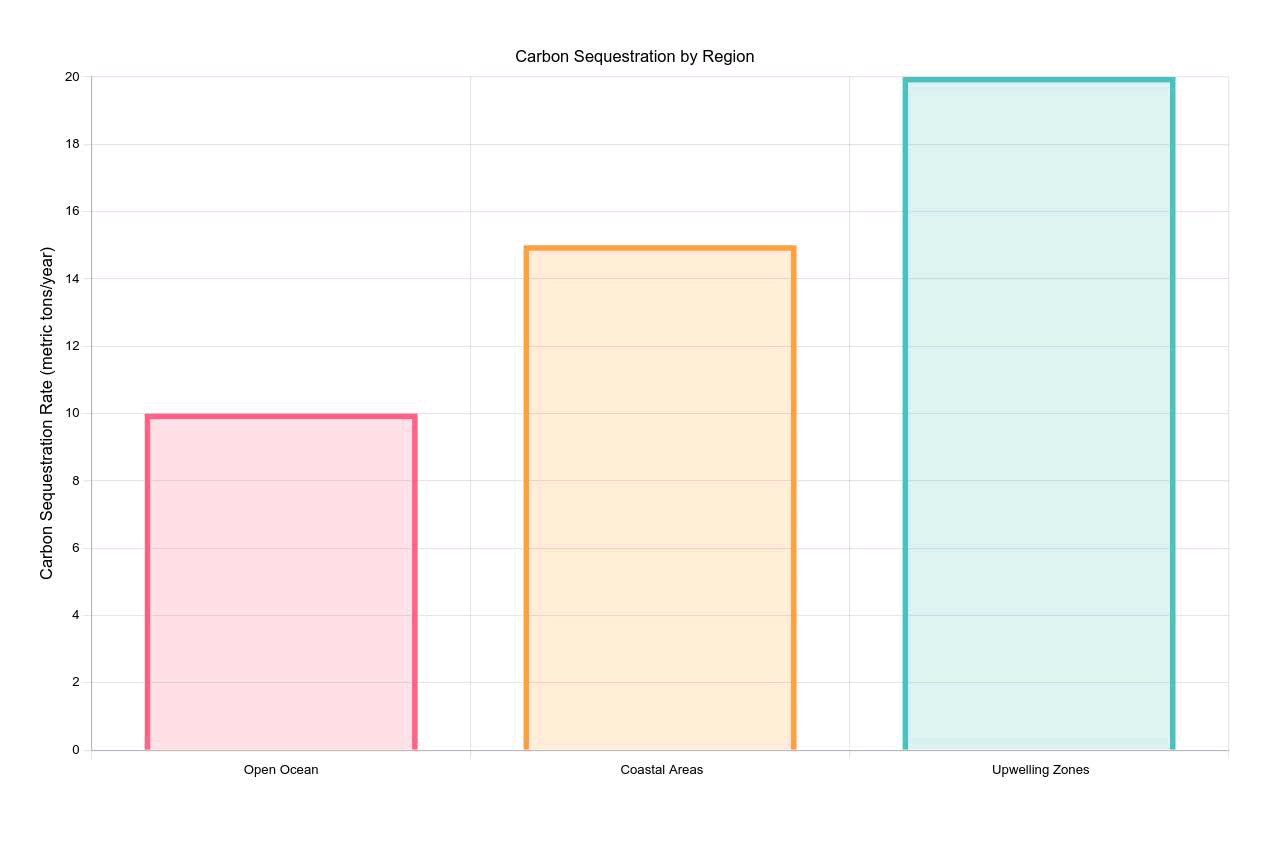
Figure 4. Carbon sequestration rates in different marine regions. This bar chart compares the rates of carbon sequestration in open ocean, coastal areas, and upwelling zones.
Statistical modeling: Predicting the effects of increased phytoplankton populations on carbon sequestration, biodiversity, and ocean health: Predicting how bigger phytoplankton populations will affect ocean life requires the best learning tools we have. They are smart models in that they really bring together a lot of knowledge about phytoplankton growth, nutrient requirements, weather influences, and all the other pieces.
One of the common tools ocean scientists draw on is running simulations that recreate the delicate balance in seas over time. These models capture the interaction between phytoplankton and shrimp-like zooplankton and other critters as nutrient circles and tides ebb and flow. The models reveal how adjustments to tiny phytoplankton could cause ripples throughout delicate food chains and affect whole environments.
Another promising method reviews huge real-world data streams. Statistical analysis will help bring out relationships between phytoplankton amounts and their environment, such as temperature or currents. That gives insight into what makes natural plankton populations bloom and dip, and how farming may shift these sensitive systems.
Even satellites lend a hand. High-tech eyes from way above collect information on the phytoplankton. Working with artificial intelligence, they allow tracking plankton and watching for issues over large regions and long spans of time two key ingredients to keeping tabs on ocean health and guarding biodiversity.
It is these statistical strategies that professionals use to check for problems, including those of climate change impacts. Their research informs simulations and exposes natural stresses on plankton. By thoughtfully piecing together their findings, ocean defenders can gain deeper empathy for the complex world beneath the waves. This understanding guides caring choices for our seas that boost marine life while also serving human needs.
Data-driven decision-making: Using statistical analysis to optimize phytoplankton farming strategies and resource allocation. On the other hand, in the process of farming phytoplankton, statistical analysis could be endorsed as the heart of effective decision-making in terms of running and further strategy creation concerning existing activities. This includes decomposition for a number of processes which establish well-grounded methods and techniques of data collection about environmental factors, nutrient concentrations, and manners of phytoplankton production. These datasets are subjected to a number of quantitative tools, like regression analysis, time series analysis, and multivariable analysis, for the understanding of correlation between various factors that affect phytoplankton production. Statistics also enables the researcher or practitioner concerned to give a prediction of the outcome of different farming strategies in the management or allocation of resources by giving an insight into the growth and dynamics of phytoplankton in the ecosystem.
For example, predictive analytics will help decide on the efficiency of different types of cultivation, such as open-sea farming or coastal farming, or the consequences of adding some nutrients to the phytoplankton density. On the other hand, machine learning algorithms improve the kind of decisions based on large datasets through the development of patterns and causative factors useful in farming activities and efficient use of resources. That way, through introducing complex methods inclusive of facts analysis, theoretical prognosis, and artificial intelligence computations, stakeholders will make rational conclusions concerning the farming of phytoplanktons that turn to enable the preservation of marine life across the globe.
Mitigating global warming
The carbon connection: How phytoplankton sequester carbon dioxide and mitigate climate change: Therefore, phytoplankton, by its nature as a greatly photosynthesis-active group of organisms, is making huge contributions to capturing carbon dioxide from the atmosphere. Actually, right at the heart of the process is photosynthesis, wherein phytoplankton in the water use light, carbon dioxide, and nutrients to turn carbon dioxide into carbon compounds in the form of organic matter. The converse methods to estimate new production are based on enumeration of organic carbon portion of the phytoplankton biomass and implying A production as a source of atmospheric CO2. Besides this, some part of phytoplankton naturally dies or gets munched by the zooplankton and other marine life-forms; the particles therein keep sinking downwards to deeper layers of the sea. On this pathway, some of the organic carbon is exported to the ocean floor and can, on a time scale of millions to thousands of years, be buried—thus, on a geological time scale, subtracted from atmospheric CO2. The magnitude of carbon fixation by phytoplankton is enormous: The global ocean aphotic zone is estimated to fix 50 billion tons of carbon daily, probably one-third of which is attributed to phytoplankton. This is the central contribution of phytoplankton in the carbon cycle, affecting not only the amount of carbon found in the oceans but also climate modeling and predicted climate change. The mechanisms of phytoplankton and their effect on the climate, as described, permit one to help scientists and policymakers comprehend the value of marine life and the concerted support of activities promising to raise phytoplankton activity for climate change remedial purposes.
Evaluating the effectiveness of phytoplankton farming as a climate change mitigation strategy: Accounting for the climate change implications of phytoplankton farming requires a deeper examination of the complex connections of life.
Firstly, there is the talent of the plankton for storing carbon through their digestion of carbon dioxide that sustains the oceans' natural soak. Knowing how such small plants grow and multiply, gather mass, and shuttle carbon downward through delicate marine loops is fundamental.
The practicality of the farm methods and their potential scale are also called into question. New technologies in aquaculture give rise to inventive ways of supporting the production of plankton, from offshore platforms to ingenious ecological enhancements. But scaling up demands careful planning of infrastructure and costs, and fragile sea life requires careful sustainable care.
We also consider the potential environmental impacts and tradeoffs of farming. Plankton numbers, when increased, can alter the nutrient balances, mix of species, and sensitive marine food chains. Balancing the gains made in carbon storage with the preservation of biodiversity thus center-stages. Integrating ecosystem information and voices from the community into any decision becomes a necessity for long-term success.
Real-case research and theoretical models provide valuable guidelines. Thereafter, weighing in the above-mentioned aspects to a great deal, the paths of wisdom will emerge before the decisionmakers. Continued learning, watchful oversight, and ready adaptation remain just as crucial for ensuring that plankton cultivation nourishes both climate and oceans in the coming years (Figure 5).
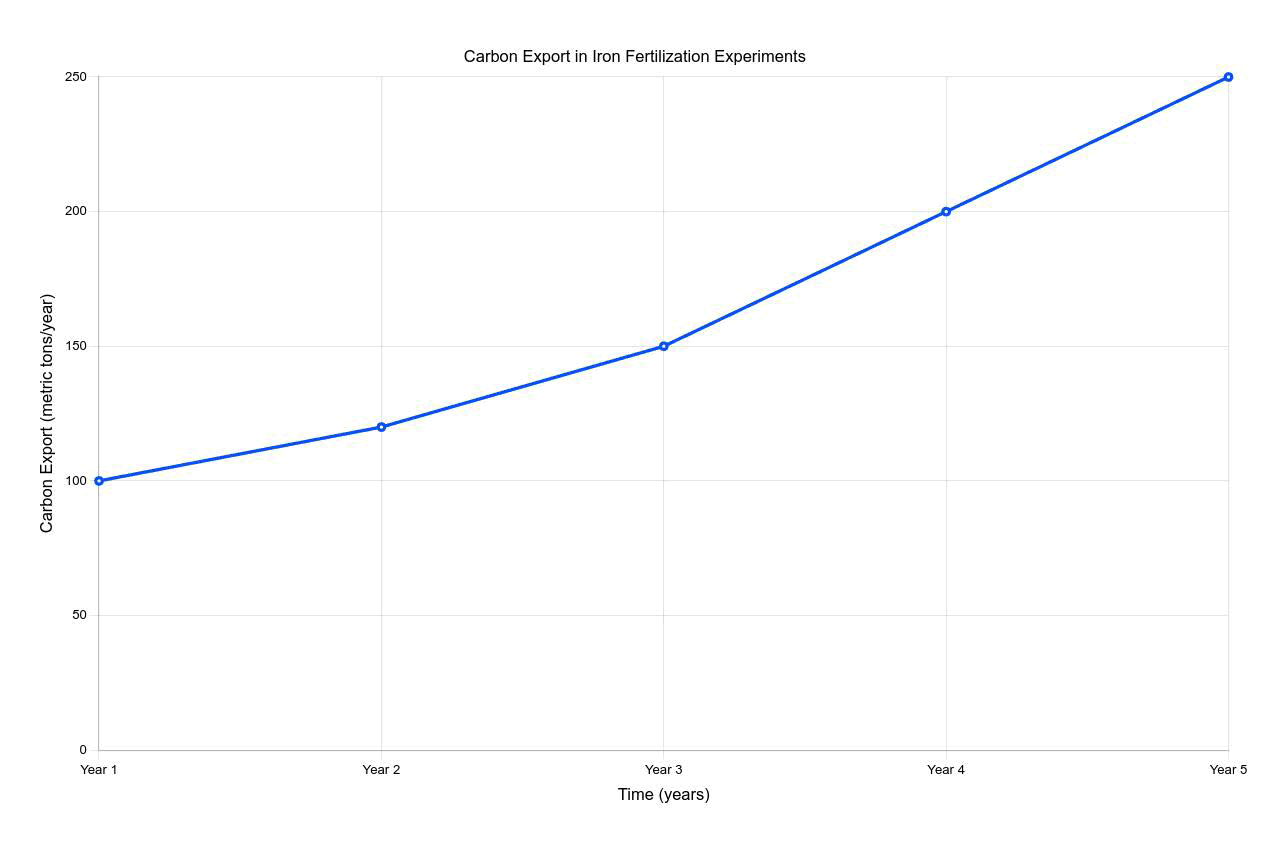
Figure 5. carbon export to the deep ocean over time in iron fertilization experiments. The line graph shows the increase in carbon export following iron addition.
Potential synergies with other climate change mitigation efforts: Exploring interdisciplinary solutions: It will be wise to discuss how phytoplankton cultivation teams up with complementary environmental strategies in problem-solving for life's great climate challenge. Joining forces from diverse fighting domains can strengthen the effect of each approach.
One case finds a purpose by thoughtfully placing nurseries of plankton near reforestation projects. Trees inhale carbon on land, and neighboring seas absorb more as well-the companions to store it safely underground.
Pairing plankton farms with carbon capture facilities is another area rich with big promise. Factories pipe the carbon emissions for plankton to turn into food through photosynthesis, effectively re-cycling what harms the air into gains for the oceans.
Wind turbines stir nutrient-rich currents benefiting both renewable energy and carbon storage, too, by providing the gentle disturbances on which the plankton thrives.
Soil and forest care will easily combine to maximize the gains across environments. Each of the systems sustains the others, as nature strikes a balance.
Such teamwork's potential shows in initial studies on how plankton support coastal habitat restoration or renewables, for example. Different perspectives yield creative solutions.
In a world where scientists, engineers, lawmakers, and communities work more cooperatively, there is an offering of many opportunities for the making of ambitious climate actions toward resilient and sustainable futures. Togetherness across cause and calling inspires wise adaptation for generations to come.
Enhancing marine ecosystems
The ripple effects of phytoplankton abundance: Supporting marine food webs and biodiversity: Phytoplankton has a great effect on the aquatic environment since the high biomass in the water column encourages the complexity of marine food chains and supports different tiers of twenty-four hours and nick. Phytoplankton are primary producers in the chain and increase in availability within water bodies, photosynthesizing to contribute to reproduction and the formation of food chains within the same water. This organic matter provides food and energy for a host of consumers starting from the microscopic zooplankton going up to the whales and the sharks. Changes in the phytoplankton densities, therefore, are able to impact not only the occurrence, numbers, and behavior of numerous species in the sea. Concentration shifts of phytoplankton directly impact other trophic levels in the change of the quantity of phytoplankton, thus bringing a positive or negative impact to the entire ecosystem. For instance, an increase in phytoplankton will bring about an increase in the number of zooplankton grazers, increasing in turn higher trophic levels such as fish and marine mammals. On the other hand, declines in phytoplankton abundance can have negative consequences for trophic structure, who knows potentially triggering consequential changes through the entire food cisine. Besides, pelagic primary producers are mainly phytoplankton, which play a crucial role in enhancing stability, current and future, and nutrition for diverse marine and neritic organisms. Knowing how abundance of phytoplankton benefits the web of life in marine circumstances by increasing species diversity means scientists and policymakers can better understand the magnitude of phytoplankton preservation and renewal to the health of the global oceans (Figure 6).
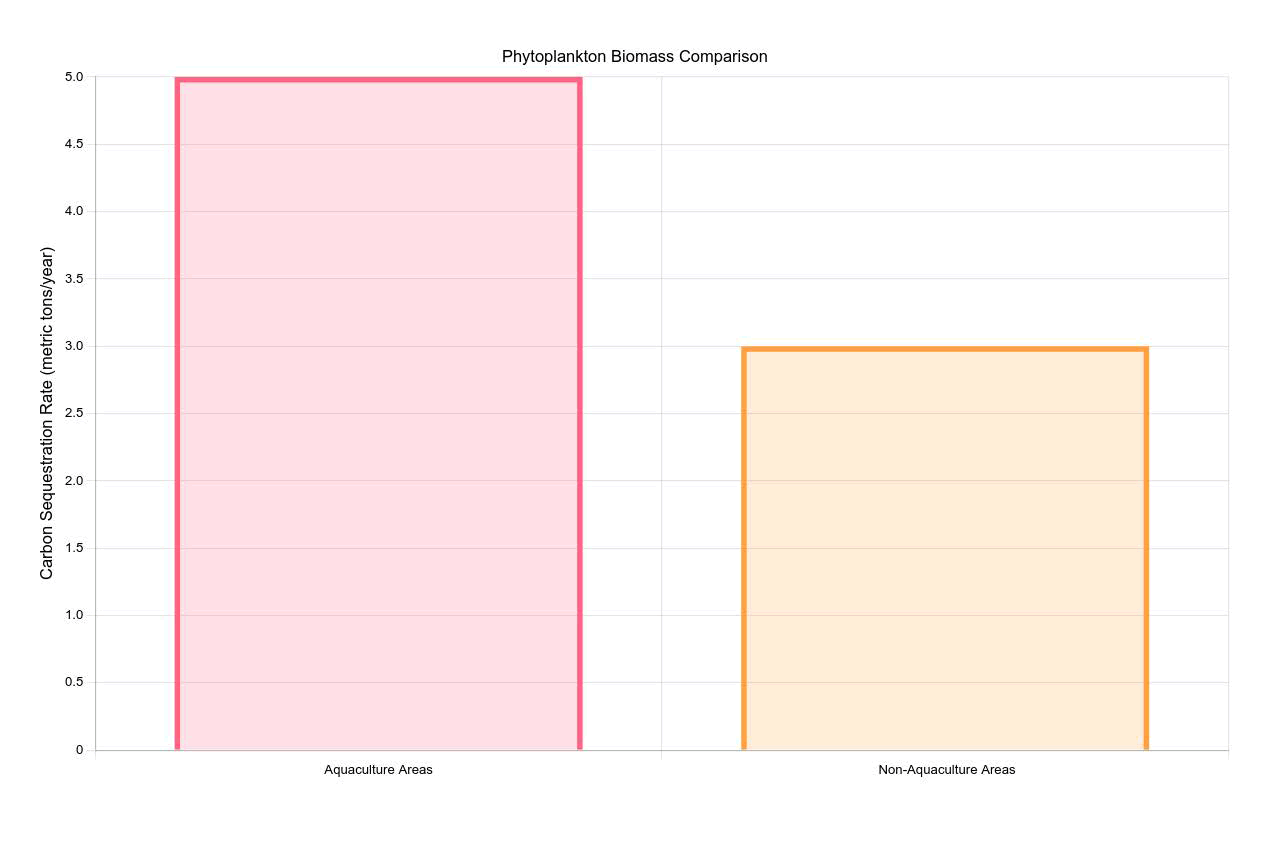
Figure 6. Comparison of phytoplankton biomass in aquaculture and non-aquaculture areas.
Promoting sustainable fisheries: How increased phytoplankton populations benefit fish stocks and coastal communities: There is very great potential for increasing phytoplankton through sustainable farming and enhancement methodologies to yield an increase in fish stocks, benefiting coastal communities. They represent the primary producers in aquaculture and can turn sunlight and nutrients into biomass to feed the chain of marine life. With rising populations of phytoplankton, there will be a rise in primary production, hence food for zooplankton, which again will hold larger fish populations. Higher phytoplankton levels also benefit the growth and survival of larval fish, critical to maintaining healthy fish stocks. Healthy fish stocks have both commercial and subsistence fisheries benefiting from them, providing economic stability and food security for coastal communities. Enhanced populations of phytoplankton, beyond this, can boost the resilience of marine ecosystems, promote biodiversity and lessening the impact of environmental stressors. This means that sustainable growing of phytoplankton through controlled nutrient enrichment or in photobioreactors can optimize these benefits while minimizing possible ecological risks. This would ensure long-term positive impacts on fish stocks and coastal communities.
Challenges and considerations
Addressing potential risks: Unintended consequences of manipulating phytoplankton populations. Decisions concerning phytoplankton must consider how they might impact vulnerable life in the oceans. These minute plants are the foundation upon which all marine worlds rest.
Plankton quantity or type shifts can perturb delicate balances. For example, newly introduced species outcompete native ones, reducing diversity. Or they could disrupt flows of nutrients on which habitats rely. Plankton blooms that deplete oxygen leave many sea dwellers gasping.
Past experiments also demonstrate ways in which twiddling could enhance existing hazards such as toxic algae. Complex webs connect all ocean lives to understand cascading impacts requires humility, not hubris.
Real world experiences reinforce the need for prudence. Several efforts to fertilize iron into the ocean inadvertently changed plankton populations and could have affected larger ocean animals as well. Their reactions demonstrate that models are puny beside the richness of reality.
In regard to decisions concerning phytoplankton, the well-being of the ocean must come first. Any options must be based on careful consideration of the potential risks involved. Only through humble learning of each environment's sensitive functions can options reduce the likelihood of unintentional harm to already stressed ecosystems.
When faced with a stewardship challenge regarding the oceans, a focus not just on potential gains but on understanding complexity empowers communities to foster resilient marine worlds for all future generations (Figure 7).
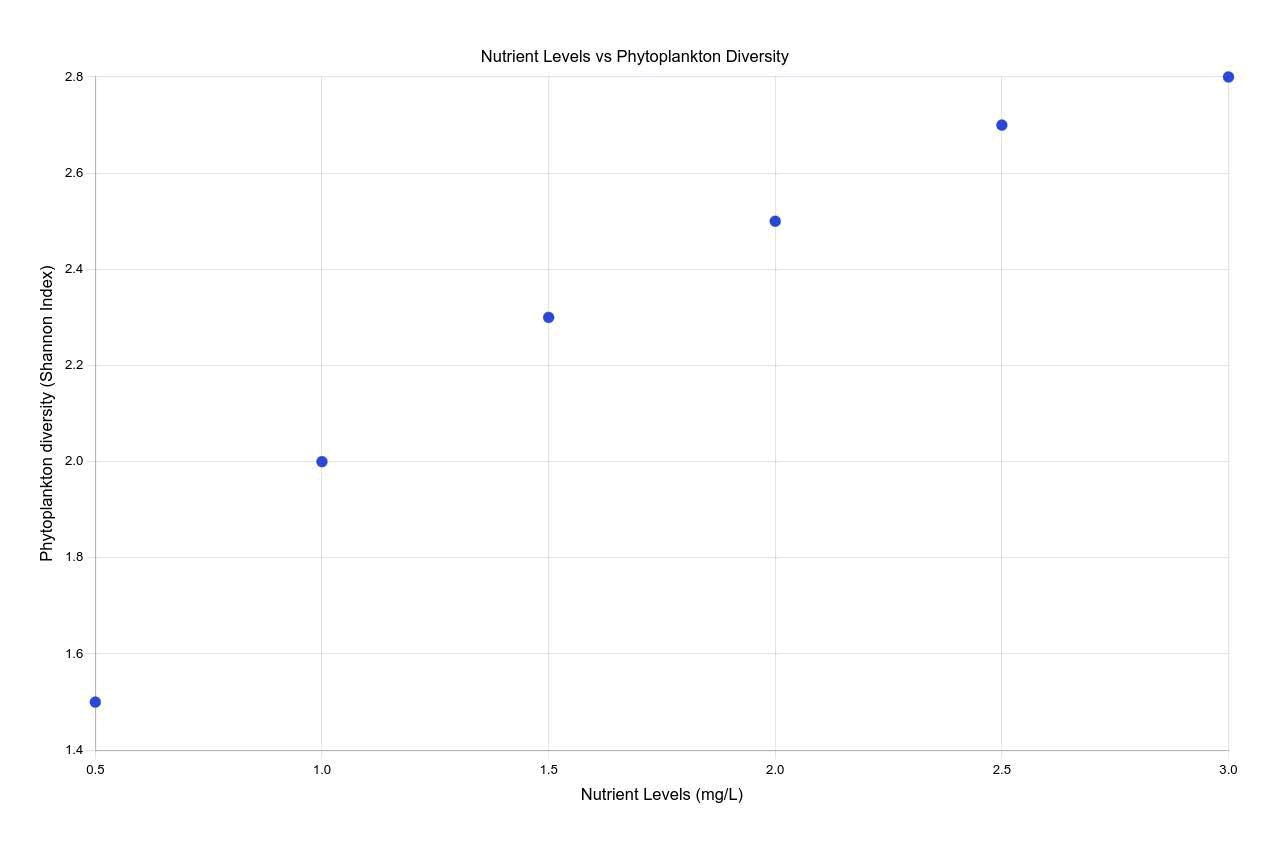
Figure 7. Relationship between nutrient levels and phytoplankton diversity. This scatter plot shows how nutrient concentrations affect phytoplankton diversity in different areas.
Ethical and regulatory considerations: Ensuring responsible stewardship of marine resources and ecosystems.
This makes optimal ethic and legal frameworks central in directing the approach used to influence the population ecology of phytoplankton and thus the manage and conserve marine resources and ecosystems. Embedded in these reflections is a concept referred to as environmental ethics, which reflects the people’s responsibility for the maintenance of various natural processes and the conservation of the biotic community. The key principle inherent in this ethical framework is sustainable use of the resources of the sea, meaning their use in a way fulfilling the present generation’s needs but not in such a way that would deny the ability of the future generations to fulfil their needs. Mainly, the precautionary principle of decision-making should be followed when thinking about the interventions that could pose certain threats to the environment, including the intervention at the level of phytoplankton populations. This involves perpetually opting for the precautionary principle and taking early action in situations where risks are unclear but outcomes if no action is taken, are likely to be catastrophic or extremely deleterious to the marine environment. Various legislative instruments and international treaties including UNCLOS as well as CBD contain some of the bases for management and protection of the marine resources. These frameworks have aspects of sustainable utilization of the marine and coastal environment, conservations of the resources, and sharing of resources in a fair manner as well as appreciating the connectivity of marine and coastal environment and the need to have the entire global community work together as one towards the conservation of the environment. Thus, through the incorporation of ethical groundwork and regulatory concerns, the stakeholders can work to guarantee that the interferences in the marine ecosystem occur in a responsible manner and with reference to the sustainable health and endurance of the marine resources and systems.
Future directions: Research priorities and opportunities for innovation in phytoplankton farming and marine conservation.
Discovering potential developments and directions of the subsequent evolution of phytoplankton farms and the overall concept of marine preservation is inspiring because it reveals a great number of potential investigations. Among the themes that can be distinguished, the cultivation technology is found to be one of the most significant; this is linked to the constant search for higher product yield and reduced negative effects on the environment. Furthermore, biochemical engineering has prospects for increasing the efficiency and durability of cultivated phytoplankton strains and their individual differentiated reaction to climate change and the state of an ecosystem. Concepts such as ecosystem-based management and adaptive governance present possibilities of a one-package solution to the marine conservation issues, while fully benefiting from phytoplankton farming business. Research collaborations across multiple disciplines are imperative for these disciplines to create effective solutions for the diverse marine ecosystems including biotechnology, ecology, oceanography and other related fields. Applying the recent technology like remote sensing and AI for the supervision and management of marine ecosystems is productive for enhancing knowledge about the phytoplankton changing pattern and ecosystem responses to climate change. In this way, by focusing on the research in these areas and adopting innovation, stakeholders will be able to open new opportunities in phytoplankton farming and marine ecosystems management, that in result will lead to the health and sustainable development of every marine environment in the world (Figure 8).
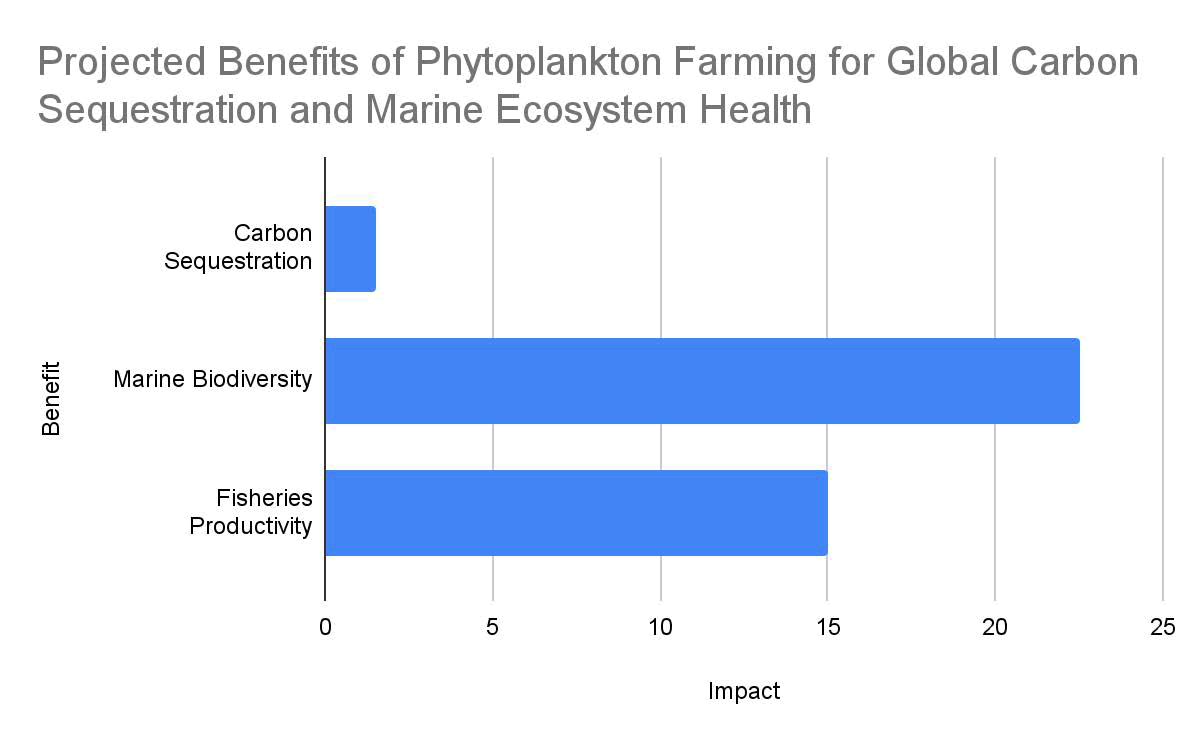
Figure 8. The projected benefits of phytoplankton farming include significant contributions to global carbon sequestration (1.5 gigatons CO2/year), an average increase in marine biodiversity by 22.5%, and a 15% improvement in fisheries productivity. These projections highlight the multifaceted advantages of expanding phytoplankton farming as a strategy for environmental and socioeconomic sustainability.
Nature's solution to be harnessed: Phytoplankton farming potential to meet the global challenges and enhance marine ecosystems.
Phytoplankton farming stands to be one of the most transformative strategies in handling some of the greatest global challenges, ranging from climate change to degradation of marine ecosystems. Based on using a natural process related to capturing and storing carbon through microalgae, phytoplankton farming makes considerable contributions toward mitigating global warming. In the case of phytoplankton, this photosynthesis extracts CO2 from the atmosphere, and this lowers the concentration of greenhouse gases while helping to stabilize the climate.
Beyond carbon capture, phytoplankton farming has huge potential for sustainable growth while serving environmental conservation. Such microalgae could become central in establishing a new kind of aquaculture: first as a renewable feed source for high-value seafood species, and second, in bolstering food security. Phytoplankton farming deliberately enhances the rehabilitation of degraded marine ecosystems and restores biodiversity, enhancing the resilience of coastal areas to environmental stressors.
There are important socioeconomic benefits to scaling up phytoplankton farming programs. This will provide employment and lead to innovation and local area economic development, especially in the development of coastal area populations. Such ethical issues need to be incorporated into governance frameworks forming the terms through which resources will be shared in an equitable manner. Ecological management, therefore, should coordinate a balance between economic development and marine conservation to ensure long-term sustainability of marine resources.
The future lies in partnerships and creative solutions that think out of the box. Phytoplankton farming can be the lighthouse in the fight for a stable and sustainable future, offering a ray of hope for improving the health of the oceans for the coming generations.
Moving forward: Collaborative strategies to catalyze research, policy, and action in the name of ocean health and a sustainable planet. Decision-making and policy development should grow holistically and be coordinated across all sectors of society if the future with thriving oceans is to be there. Interdisciplinary research entails creating coherent bodies of scientific knowledge and innovation beyond traditional demarcations. Meaningful progress calls for engaging multiple stakeholders such as civil society, academia, industry, and governments, working hand in hand in collective action by putting their resources, expertise, and knowledge together.
This means that international cooperation frameworks could indeed create a very friendly environment for multi-stakeholder partnerships through knowledge sharing, expertise promotion, and policy coherence across borders. This is to say that collaborative actions founded on the principles of fairness, transparency, and accountability will often seize the opportunity to harness the fluctuating potential of any stakeholder at any given time, hence inducing long-term ocean and coastal management.
Underpinning this is a realization that effective collaborations rely on a number of characteristic factors: developing trust, effective communication, and a meeting of goals. As we ponder over the future, this cooperation has to be understood and appreciated as one of the central values governing our shift toward a world that is more sustainable and resilient.
In other words, growing phytoplankton could give the world a solution for the global environment and health from their biology in marine ecosystems. Coupled with innovative research, responsible policy-making, and collaborative efforts, a better future for our oceans and the health of our planet is opened up.
This research received no external funding.
The authors would like to acknowledge the valuable feedback and guidance provided by colleagues during the development of this manuscript. Additionally, the authors appreciate the technical support offered by the University Lab in conducting the laboratory experiments. We also extend our heartfelt gratitude to our parents for their unwavering support and encouragement throughout this research.
Not applicable.
Not applicable.
All data generated or analyzed during this study are included in this published article.
[Crossref] [Google Scholar] [PubMed]
Received: 04-Oct-2024, Manuscript No. JBTW-24-149647; Editor assigned: 08-Oct-2024, Pre QC No. JBTW-24-149647 (PQ); Reviewed: 22-Oct-2024, QC No. JBTW-24-149647; Revised: 06-Feb-2025, Manuscript No. JBTW-24-149647 (R); Published: 13-Feb-2025, DOI: 10.35248/2322-3308.25.14(1).003
Copyright:This is an open access article distributed under the terms of the Creative Commons Attribution License, which permits unrestricted use, distribution, and reproduction in any medium, provided the original work is properly cited.